1975
Sony Betamax Player
Sony's Betamax, launched in 1975, pioneered home video recording with superior image clarity and compact design. Though technologically ahead, it lost the format war to VHS. Betamax remains a symbol of early consumer media innovation and industry rivalry.
Year Released: 1975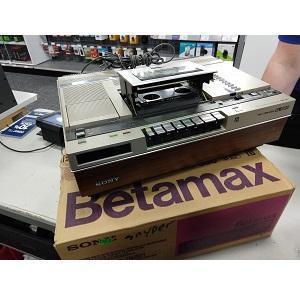
1976
JVC VHS Player
JVC revolutionized home entertainment with the 1976 release of the VHS player, offering longer recording time than Betamax. Its open licensing strategy helped it dominate the market, establishing VHS as the global standard for decades.
Year Released: 1976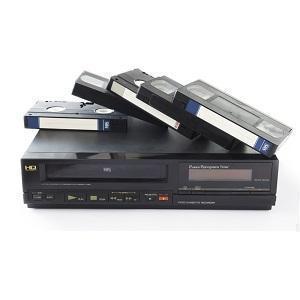
1978
Philips LaserDisc Player
Debuting in 1978, the LaserDisc introduced high-fidelity analog video via optical media. Though never mainstream, it laid the groundwork for digital discs like DVDs and Blu-ray—earning it a cult following and archival significance.
Year Released: 1978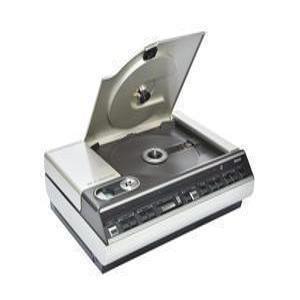
1979
Sony Walkman
Launched in 1979, the original Sony Walkman TPS-L2 redefined personal listening. It made music truly portable for the first time, changing how people connected with audio—on commutes, in parks, and across generations of playlists.
Year Released: 1979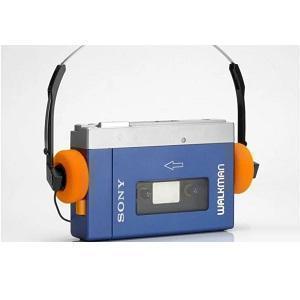
1980–1990
CRT Screen Protector
Common in the 1980s, CRT screen protectors reduced glare and static on bulky monitors while shielding the eyes from radiation. A staple in offices and homes, these framed panels reflected an early blend of ergonomic tech and aesthetic hardware mods.
Year Released: 1980–1990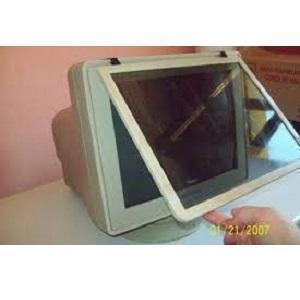
1980
Atari Space Invaders Tabletop
Miniaturizing arcade magic, Atari's Space Invaders tabletop released in 1980 brought pixelated alien shootouts to kitchen counters. With LED display, joystick, and iconic design, it launched a new wave of portable home gaming before handhelds took over.
Year Released: 1980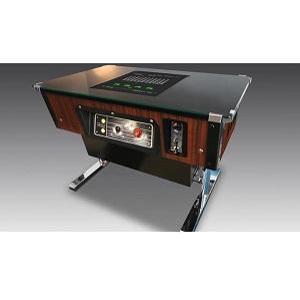
1980
Casio Calculator Watch
Casio’s iconic databank watch debuted in 1980, fusing wristwatch functionality with calculator convenience. Beloved by students and techies alike, it represented the first wave of wearable tech—long before the smartwatch era had even begun.
Year Released: 1980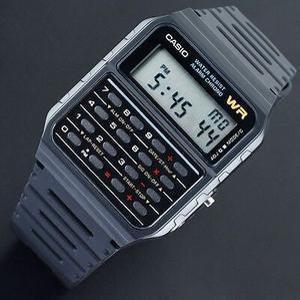
1980
IBM Dual-Floppy PC
A symbol of early personal computing, this 1980 IBM system featured twin 5.25" floppy drives and a monochrome green CRT. It ran word processors, spreadsheets, and BASIC programs—foundational tech in offices, schools, and garages that birthed the PC revolution.
Year Released: 1980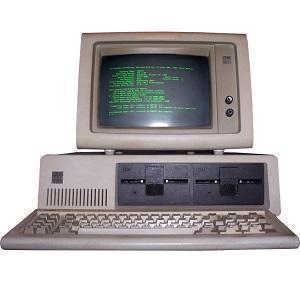
1980
Nintendo Famicom Gun
Nintendo's Famicom Light Gun debuted in Japan in 1980, turning TVs into duck-hunting fields and wild west saloons. It was among the earliest gaming peripherals to incorporate real-world motion into digital gameplay—an ancestor of motion controls to come.
Year Released: 1980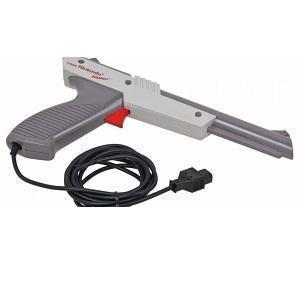
1980
PLDT Red Payphone
The red PLDT payphone became a familiar urban fixture in the 1980s Philippines. Mounted to kiosks or walls, these coin-operated lines were essential for emergencies and casual calls—icons of analog connectivity before the mobile revolution swept in.
Year Released: 1980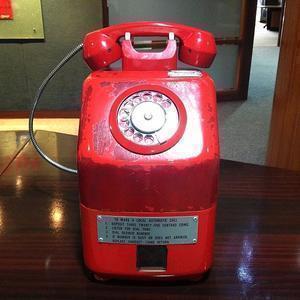
1980
Sony Microcassette-Corder (Black)
Launched in 1980, this black Sony microcassette recorder became indispensable for journalists, executives, and students. Its sleek design and portability made it a go-to tool for voice memos, interviews, and audio diaries in the analog era.
Year Released: 1980.jpg)
1980
Sony Mini Cassette Recorder (Silver)
This silver model from Sony’s 1980 lineup offered elegant, portable voice recording using mini cassettes. With its chrome trim and push-button controls, it embodied the marriage of function and design in a pre-digital soundscape.
Year Released: 1980.jpg)
1980
Tandy Color Computer
Nicknamed the “CoCo,” Tandy’s 1980 Color Computer introduced color graphics and BASIC programming to hobbyists. Sold through RadioShack, it became a staple in classrooms and homes, helping a generation learn to code before coding was cool.
Year Released: 1980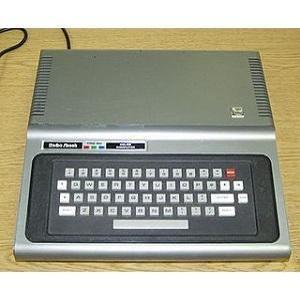
1981
Popeye Game & Watch
Nintendo’s 1981 Popeye Game & Watch blended pop culture with portable gaming. Featuring monochrome LCD gameplay, it packed arcade charm into a pocket-sized device—part timepiece, part toy, and a glimpse into handheld gaming's future.
Year Released: 1981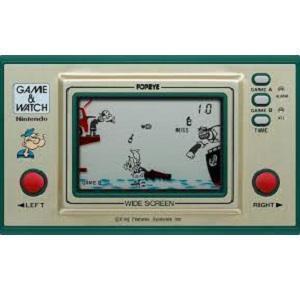
1982
Donkey Kong Game & Watch (Orange)
Released in 1982, this foldable dual-screen Game & Watch introduced platform gameplay and Nintendo’s now-iconic D-pad. Featuring Donkey Kong in vivid orange casing, it became a precursor to the modern handheld and a design icon of its time.
Year Released: 1982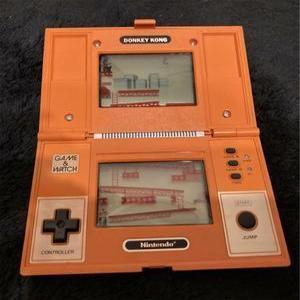
1982
Sony Watchman
Released in 1982, Sony’s Watchman turned TV into a pocket pastime. With a compact CRT screen and FM tuner, it allowed users to watch live broadcasts anywhere—an early preview of mobile entertainment decades before smartphones.
Year Released: 1982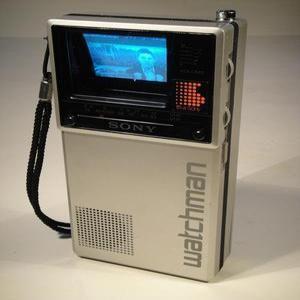
1983–2006
BellSouth
Operating from 1983 to 2006, BellSouth was a major telecommunications provider across the southeastern U.S., delivering landline, mobile, and internet services. Its branding became synonymous with analog connection before merging into AT&T's expanding wireless era.
Year Released: 1983–2006
1983
Apple IIe
Debuting in 1983, the Apple IIe refined the home computer experience with extended memory, an integrated keyboard, and Apple’s signature accessibility. It was a trusted classroom tool, coding platform, and gateway to the graphical interface age.
Year Released: 1983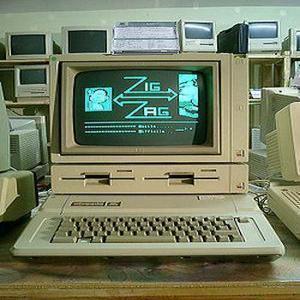
1983
Nintendo Family Computer
Launched in Japan in 1983, the Famicom introduced Mario, Zelda, and Metroid to the world. Its bold design, plug-in cartridges, and 8-bit brilliance reshaped gaming history—laying the groundwork for a global Nintendo legacy.
Year Released: 1983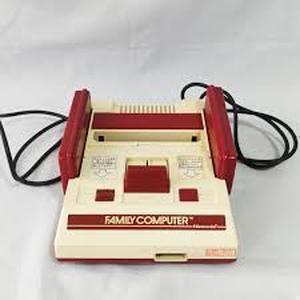
1983
Famicom Game Cartridges
These colorful cartridges powered the Nintendo Family Computer (Famicom), transforming 1983 living rooms into virtual playgrounds. Swappable and collectible, they made gaming modular—fueling an industry built on pixelated classics.
Year Released: 1983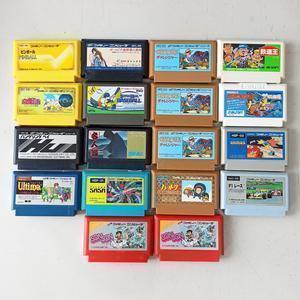
1984
Pioneer LCD Monitor
Pioneer’s 1984 LCD monitor was a glimpse into the flat-panel future. At a time when CRTs dominated, this thin, portable display pushed the boundaries of display tech, setting the stage for screens that now fit in our hands and pockets.
Year Released: 1984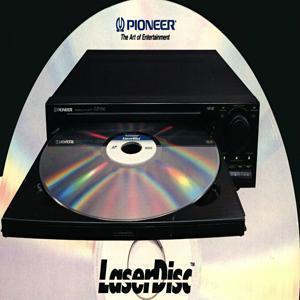
1985
Nintendo Entertainment System (NES)
Released in 1985, the NES rescued the video game industry after the 1983 crash. Its 8-bit charm, tight controls, and enduring titles like Super Mario Bros. transformed home gaming into a global cultural force.
Year Released: 1985.jpg)
1988
Motorola Bag Phone
Before flip phones, there was the bag phone. Motorola’s 1988 portable unit offered cellular freedom—sort of. Housed in a soft case with a coiled cord, it brought business calls and emergency dials into cars, truck cabs, and briefcases.
Year Released: 1988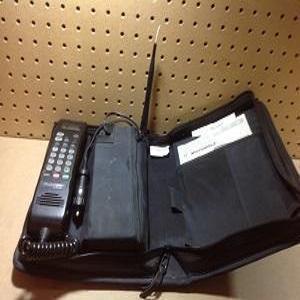
1988
Sega Mega Drive (Genesis)
Sega’s 1988 Mega Drive—known as the Genesis in the U.S.—brought 16-bit power and arcade speed into the living room. It introduced Sonic the Hedgehog and kickstarted a fierce rivalry with Nintendo that defined a generation of gamers.
Year Released: 1988.jpg)
1988
Redfox Technologies (PH)
Founded in 1988, Redfox Technologies emerged as a homegrown Filipino brand offering affordable PCs and peripherals. It made computing accessible to schools and families across the country during a pivotal tech boom in Southeast Asia.
Year Released: 1988
1989
Toshiba T1000LE
Toshiba’s T1000LE arrived in 1989 as an early “luggable” laptop. With MS-DOS, a built-in rechargeable battery, and a backlit LCD screen, it brought true portability to business computing just as the laptop era was dawning.
Year Released: 1989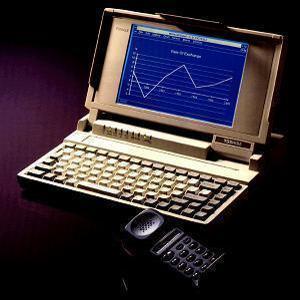
1990–2000
Portable DVD Player
From car rides to carry-ons, portable DVD players defined mobile movie magic in the late ’90s. With built-in LCD screens and long-life batteries, they made DVDs truly untethered—bridging the gap between VHS and the coming digital stream.
Year Released: 1990–2000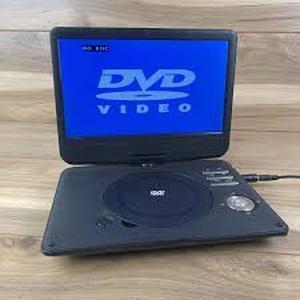
1990
Brick Game
Popularized in the ’90s, Brick Game handhelds bundled block-stacking and pixelated puzzles into a beeping, button-mashing companion. Often affordable and endlessly cloned, they defined lunch breaks, road trips, and pocket-sized joy.
Year Released: 1990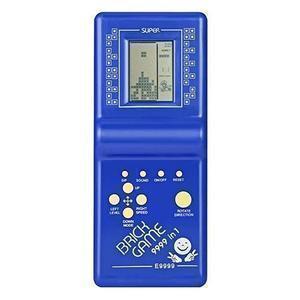
1990
ISP Bonanza
In the mid-1990s, ISP Bonanza helped bring internet access to Filipino homes. With prepaid hours and dial-up speeds, it introduced a generation to email, chatrooms, and the hum of modem handshakes—digitally connecting a nation in transition.
Year Released: 1990
1990s–2000s
Dial-Up Connection Screen
That familiar “connecting…” dialog from the ’90s and early 2000s captured the drama of dial-up. With handshake tones and snail-paced speeds, it marked the dawn of mass connectivity—where logging on felt like summoning magic.
Year Released: 1990s–2000s
1990s–2000s
Tower Records (Makati)
A haven for music lovers in the ’90s and early 2000s, Tower Records Makati offered stacked shelves of CDs, cassettes, and vinyl. It was a cultural hub—where discovery, listening stations, and fandom met under neon lights and iconic yellow branding.
Year Released: 1990s–2000s
1990
Motorola Beeper (Black)
Sleek and clipped to belts, Motorola’s pagers ruled professional life in the early ’90s. From hospital corridors to tech startups, the simple “911” buzz was enough to summon urgency—decoding a language of blips before texting existed.
Year Released: 1990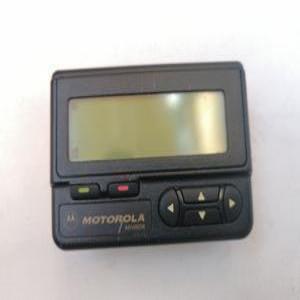
1990
Toshiba T3100SX
The Toshiba T3100SX brought desktop power to the briefcase in 1990. With a crisp amber plasma screen and 386 processor, it was a DOS-driven workhorse—bridging the era of green text terminals to modern portable computing.
Year Released: 1990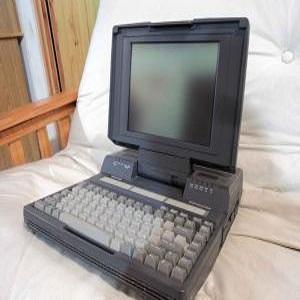
1990
Web Buttons (1.0 Style)
With beveled edges and pixel-perfect gradients, 1990s web buttons were functional flair. Found on guestbooks, counters, and “Under Construction” signs, they defined early internet design—a digital aesthetic frozen in GIFs and table layouts.
Year Released: 1990
1990
Yahoo! (Early Homepage)
In the early ’90s, Yahoo! was the internet’s front door—an evolving portal of purple links and hand-curated categories. Before search engines reigned, this site helped millions surf the web one click at a time.
Year Released: 1990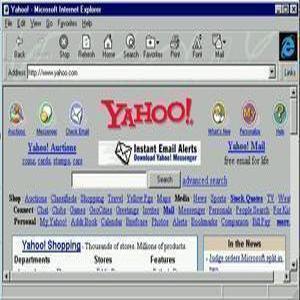
1990s
Nokia (Mom’s Old Cellphone)
Chunky but lovable, this late-’90s Nokia model made calls, texts, and Snake wildly accessible. Durable enough to survive drops, it became a household fixture—synonymous with dependability and that unforgettable Nokia ringtone.
Year Released: 1990s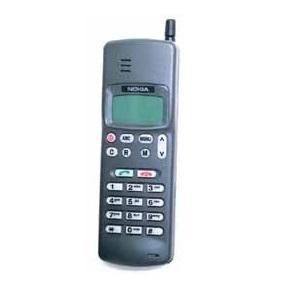
1990
BBS Dial-Up Forums
Before the web went global, bulletin board systems (BBS) ruled the digital underground. Logging in via dial-up, users exchanged text files, played ASCII games, and joined niche forums—a precursor to today’s forums and social networks.
Year Released: 1990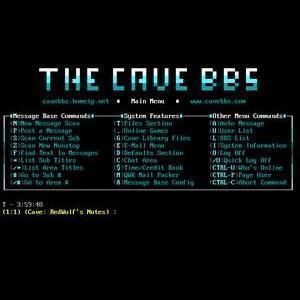
1993
Psion Series 3a
Released in 1993, the Psion 3a was a true PDA pioneer. With a clamshell keyboard, calendar, word processor, and spreadsheet support, it became a favorite for mobile professionals long before smartphones redefined productivity.
Year Released: 1993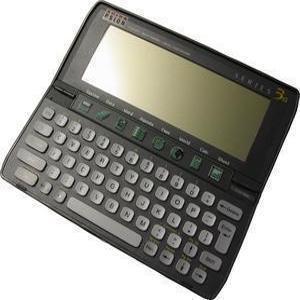
1994
Iomega Zip Drive
The 1994 Iomega Zip Drive offered 100MB of removable storage—an enormous leap from floppies. Beloved by creatives and IT staff alike, its chunky cartridges made backing up files feel futuristic, until CDs and flash took over.
Year Released: 1994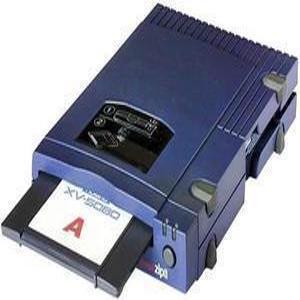
1994
Sony PlayStation (Original)
Sony’s original grey PlayStation, launched in 1994, changed gaming forever. With polygon-based 3D graphics and CD-ROM storage, it birthed franchises like Final Fantasy VII and Crash Bandicoot—ushering in a new era of immersive play.
Year Released: 1994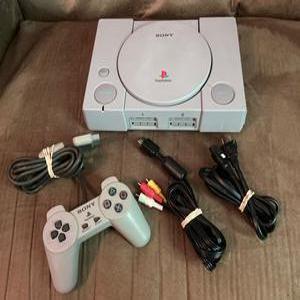
1994
Lycos Search
Launched in 1994, Lycos was one of the earliest web search engines—part crawler, part portal. With a dog mascot and portal homepage, it introduced millions to web indexing before Google rose to dominate the search era.
Year Released: 1994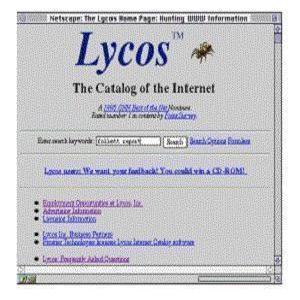
1995–2000
PLDT Landline Telephone
Throughout the ’90s, the PLDT landline was a lifeline for Filipino households. With clear plastic casings or wall-mounted units, these analog phones rang in the era of long conversations, dial tones, and shouted “may tawag ka!” from another room.
Year Released: 1995–2000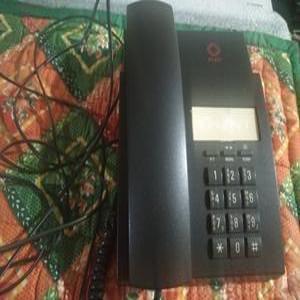
1995
AltaVista Search
AltaVista burst onto the scene in 1995 as one of the internet’s first full-text search engines. With lightning-fast indexing and advanced filters, it became a go-to tool for navigating a rapidly expanding web—long before Google claimed the crown.
Year Released: 1995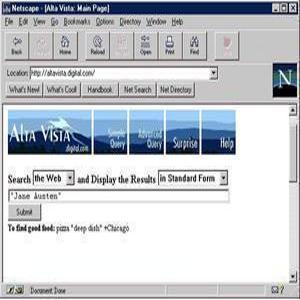
1995
Internet Yellow Pages
Before search engines became universal, print volumes like the Internet Yellow Pages helped users find websites. Part directory, part tech snapshot, they offered curated URLs, descriptions, and a glimpse into the earliest mapped digital frontier.
Year Released: 1995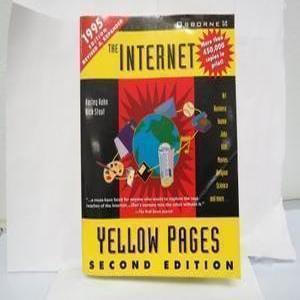
1995
WebCrawler
Launched in the mid-’90s, WebCrawler was the first search engine to index full pages rather than just titles. Its quirky branding and basic UI opened the floodgates for countless web discoveries in a rapidly evolving digital ecosystem.
Year Released: 1995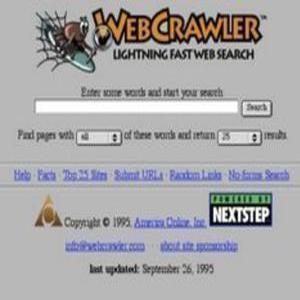
1995
Wired Home Intercom Phones
These multipoint intercom phones allowed households to page room-to-room like a suburban PA system. Common in ’90s homes, they made calling the kitchen from upstairs—or eavesdropping—oddly high-tech in a pre-wireless age.
Year Released: 1995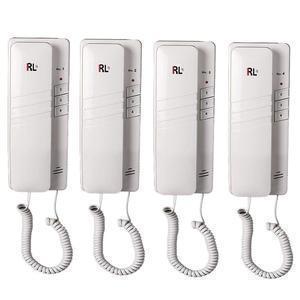
1995
Yahoo! (1995)
In 1995, Yahoo! reigned as the internet’s front porch—a hand-built directory of websites and categories. Its homepage, with blinking GIFs and purple charm, helped shape browsing habits and became a symbol of early web culture.
Year Released: 1995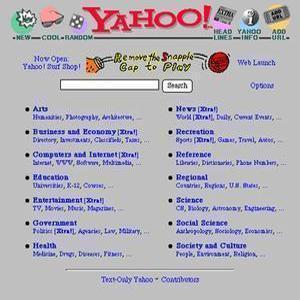
1996–2007
BOLT.com
Long before social media giants, BOLT.com offered teens a space to create profiles, journal, and share polls. Active from 1996 to 2007, it was an early experiment in user-generated content and community-driven online identity.
Year Released: 1996–2007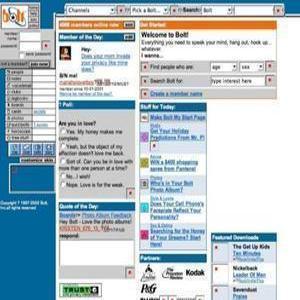
1996–2009
GeoCities
From 1996 to 2009, GeoCities empowered anyone to build a personal website—complete with spinning GIFs, starry backgrounds, and guestbooks. It was the messy, marvelous heart of the early web and the internet’s original creative playground.
Year Released: 1996–2009
1996
Dogpile Search
Launched in 1996, Dogpile cleverly combined multiple search engine results—Google, Yahoo!, Ask Jeeves—into one page. With its playful name and meta-search approach, it helped users find what they needed in a chaotic internet landscape.
Year Released: 1996
1996
Sony Discman
In 1996, the Sony Discman remained a must-have for CD lovers. Sleek and portable with skip protection tech, it let music fans take their albums on the go. A cultural icon nestled inside backpacks and glove compartments worldwide.
Year Released: 1996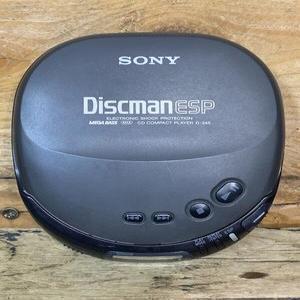
1996
Tamagotchi
Hatched in 1996, Tamagotchis brought digital caretaking to playgrounds everywhere. These egg-shaped pocket pets chirped for food, fun, and sleep—and sparked an emotional bond that made losing one a pixelated tragedy.
Year Released: 1996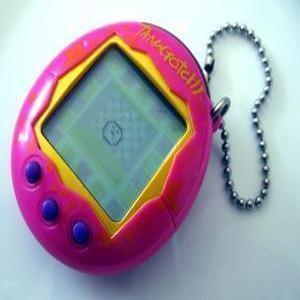
1996
Toshiba Satellite 100CS
The 100CS brought vibrant color LCDs to Toshiba’s rugged Satellite line. Released in 1996, it combined a trackball, CD-ROM drive, and Windows 95 into a portable shell—blazing a trail for consumer laptops as media hubs and mobile workstations.
Year Released: 1996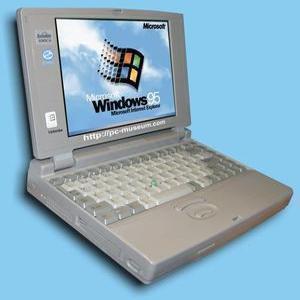
1997–2017
AOL Instant Messenger (AIM)
With away messages, buddy lists, and that unforgettable “door open” sound, AIM defined online chatting from 1997 to 2017. It gave birth to internet slang, late-night convos, and the golden age of screen names and digital presence.
Year Released: 1997–2017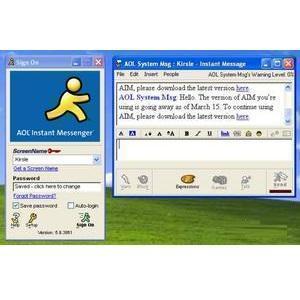
1997–2020
CD-R King (Philippines)
For over two decades, CD-R King offered everything from blank discs to USB fans at unbeatable prices. A Filipino tech cult classic, its cluttered shelves and unpredictable inventory became a defining part of mall culture and digital DIY life.
Year Released: 1997–2020
1997
Ask Jeeves
Ask Jeeves invited users to search the web with full questions—like they were speaking to a proper butler. Launched in 1997, its friendly mascot and natural language queries made it a charming, if short-lived, search engine alternative.
Year Released: 1997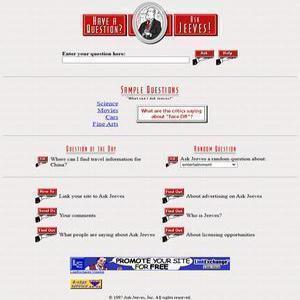
1997
Google Search
Founded in 1997, Google introduced a minimalist design and PageRank algorithm that forever changed information discovery. Its crisp white homepage became the internet’s compass, guiding billions through the web’s ever-expanding universe.
Year Released: 1997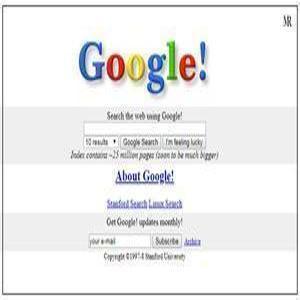
1997
Winamp
“It really whips the llama’s ass.” Winamp debuted in 1997 and quickly became the ultimate MP3 player. Skinnable, visualizable, and endlessly modded, it defined music playback for early file-sharing users and bedroom DJs alike.
Year Released: 1997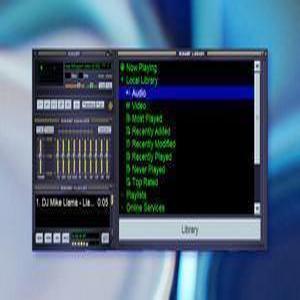
1998–2005
BonziBuddy
A purple chimp who talked, sang, and offered “help,” BonziBuddy roamed desktops from 1998 to 2005. Once seen as charming, he became infamous for intrusive behavior and spyware—symbolizing the wild west of downloadable desktop software.
Year Released: 1998–2005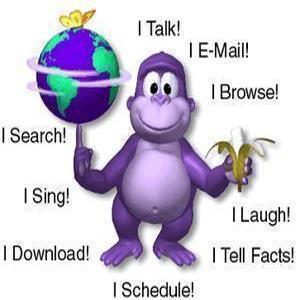
1998
Compaq Presario 1240
Affordable and student-friendly, the Presario 1240 packed a Pentium processor and CD drive into a compact shell. Released in 1998, it reflected the growing democratization of computing as laptops moved from luxury to necessity.
Year Released: 1998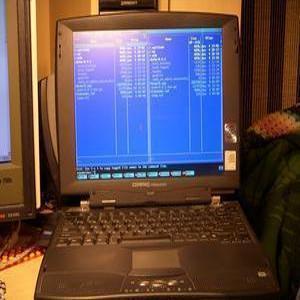
1998
Dance Dance Revolution Mat
Introduced in 1998, DDR mats turned living rooms into arcades. Players stomped in sync with pulsating J-pop, scoring combos and breaking a sweat. These plastic pads launched a rhythm gaming craze that blurred the line between play and performance.
Year Released: 1998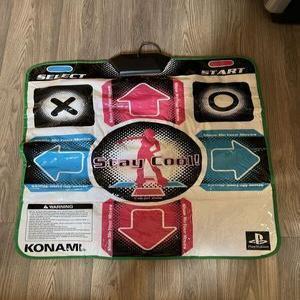
1998
Game Boy Color (Purple)
Nintendo’s Game Boy Color debuted in 1998 with a burst of personality. This purple variant packed a color screen, IR communication, and Pokémon-ready hardware into a portable powerhouse that defined countless childhoods.
Year Released: 1998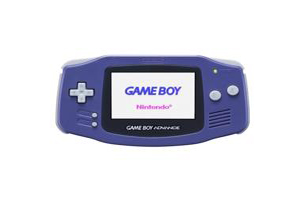
1998
Game Boy Light (Gold)
Released exclusively in Japan in 1998, the Game Boy Light featured an electroluminescent backlight—perfect for late-night gaming. The gold edition gave it extra prestige, marking it as a collector’s gem in Nintendo’s handheld lineage.
Year Released: 1998.jpg)
1998
Palm III PDA
Palm’s III series launched in 1998 as the definitive PDA. With stylus input, IR beaming, and HotSync with a desktop, it kept calendars, contacts, and notes in your pocket—an elegant ancestor of the smartphone productivity age.
Year Released: 1998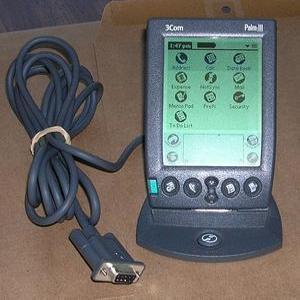
1998
Toshiba Equium Laptop
The 1998 Toshiba Equium series bridged business and home computing with multimedia ports and desktop-grade specs. Bulky but capable, it helped usher in the era of Windows 98 laptops that could handle work, CD playback, and internet browsing.
Year Released: 1998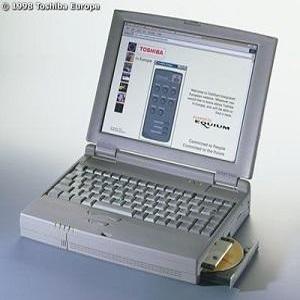
1998
Yahoo! Messenger
Launched in 1998, Yahoo! Messenger brought emoticons, group chats, and buzzes to desktops around the world. It became a staple of online social life—connecting friends, flirtations, and forums through a purple chat box that lived on for nearly two decades.
Year Released: 1998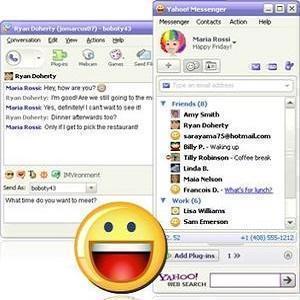
1999–2013
Xanga
From 1999 to 2013, Xanga was a safe haven for teen angst, pixel fonts, and autoplay music. Half blog, half diary, it gave users HTML-editable spaces to express themselves—often in lowercase poetry and glitter backgrounds.
Year Released: 1999–2013
1999
Compaq Armada M700
Compaq’s Armada M700 made waves in 1999 with its slim magnesium-alloy shell and docking support. Built for business on the go, it carried Intel Pentium II punch in a surprisingly sleek body—just in time for the mobile enterprise boom.
Year Released: 1999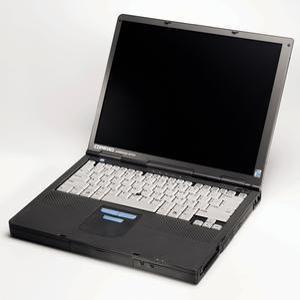
1999
MSN Messenger
MSN Messenger launched in 1999 and became the heartbeat of online adolescence. With status messages, custom emojis, and nudges, it created digital intimacy and emotional shorthand for millions before Facebook chats took the stage.
Year Released: 1999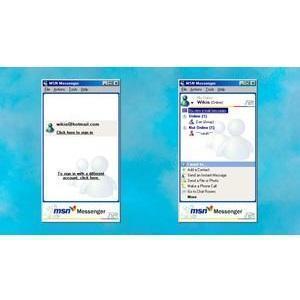
1999
Napster
In 1999, Napster blew open the doors to peer-to-peer file sharing. A digital music revolution wrapped in controversy, it let users trade MP3s globally and instantly—disrupting the music industry and planting the seeds for Spotify and streaming culture.
Year Released: 1999
1999
Nokia 7110
The Nokia 7110 was the first phone to feature a WAP browser, enabling limited web access on the go. Its spring-loaded slider and sleek design even earned it a cameo in “The Matrix”—a true cyber icon of the Y2K era.
Year Released: 1999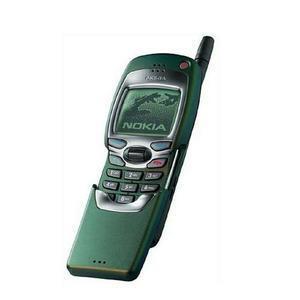
1999
Nokia 8210
Compact, customizable, and fashion-forward, the Nokia 8210 launched in 1999 as a millennial must-have. With swappable covers, vibrant colors, and Snake on board, it brought serious personality to the mobile experience.
Year Released: 1999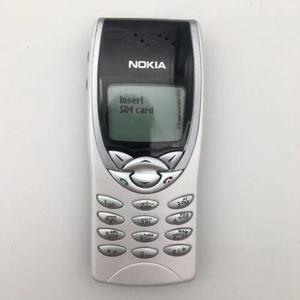
1999
Nokia 8850
Sleek, metallic, and ultralight, the Nokia 8850 was a luxury handset in 1999. With its subtle blue backlight and magnesium casing, it blurred the line between gadget and fashion accessory—executive minimalism in your palm.
Year Released: 1999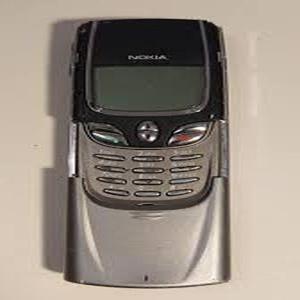
1999
RSS Feeds (Really Simple Syndication)
Emerging around 1999, RSS brought order to online chaos. With standardized feed formats, users could subscribe to blogs, news, and podcasts—ushering in content aggregation before social media ruled distribution.
Year Released: 1999
2000–2005
Chikka Text Messenger
Launched in 2000, Chikka was a groundbreaking Filipino-made platform that allowed users to send free SMS from computers to mobile phones—bridging digital and mobile worlds. It empowered students, OFWs, and prepaid users to stay connected without needing mobile load, and became a national staple before its closure in 2018.
Year Released: 2000–2005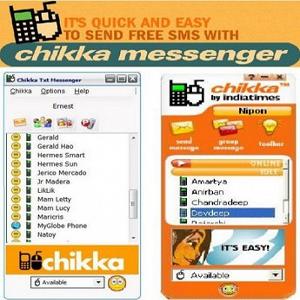
2000–2005
SBC Yahoo! DSL
SBC and Yahoo!’s 2000s DSL partnership brought branded portals and bundled services into homes across America. With co-branded email, browser toolbars, and homepage news feeds, it defined the transitional web experience between dial-up and Wi-Fi.
Year Released: 2000–2005
2000–2010
PLDT Coin Payphone
From street corners to sari-sari stores, PLDT’s coin-operated payphones kept communities connected in the 2000s. With clunky handsets and sliding rate charts, they marked the final days of analog voice before cell phones took over completely.
Year Released: 2000–2010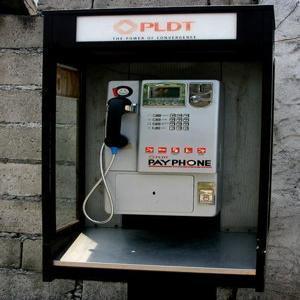
2000
CD-R King Drawing Tablet
Affordable and unpredictable, CD-R King’s drawing tablet offered aspiring artists an entry to digital art. Sold with minimal documentation but maximum potential, it was a favorite experiment of students, designers, and curious tinkerers alike.
Year Released: 2000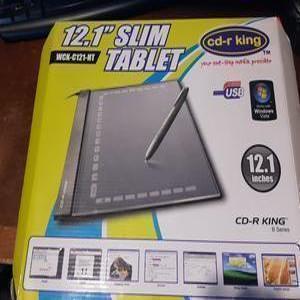
2000
EDSA Mail
An email service born from civic energy, EDSA Mail emerged in the wake of People Power II to connect youth, movements, and communities online. It symbolized the growing digital voice of the Filipino public in an age of activism and transition.
Year Released: 2000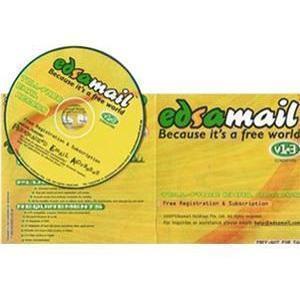
2000
Green Trimline Telephone
Seen in kitchens and hallways across the Philippines, these green trimline phones were a staple of 2000s domestic life. Durable and wall-mountable, their ring was unmistakable—and their curly cords remembered in every childhood call.
Year Released: 2000
2000
LimeWire
In 2000, LimeWire slithered onto the scene as Napster’s rebellious cousin—peer-to-peer sharing wrapped in a green interface. Songs, software, and surprises flowed freely across the globe until copyright crackdowns ended the party in 2010.
Year Released: 2000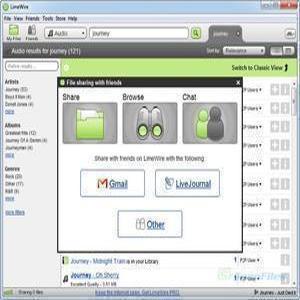
2000
Nokia 3310
Iconic for its resilience, the Nokia 3310 debuted in 2000 and quickly became a mobile legend. Beloved for its long battery life, changeable covers, and the original Snake game, it defined simplicity and indestructible charm.
Year Released: 2000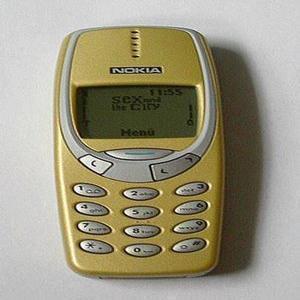
2000
Nokia 6210
The Nokia 6210 combined business features with durability, offering infrared connectivity, PC sync, and a monochrome display. Widely adopted by professionals, it was sleek, reliable, and ahead of its time in wireless data capabilities.
Year Released: 2000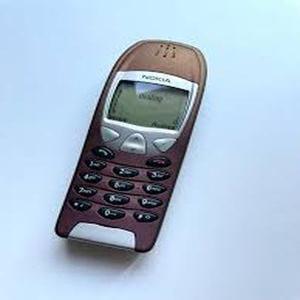
2000
Nokia 9210 Communicator
A true smartphone pioneer, the Nokia 9210 opened like a clamshell mini-computer with a full QWERTY keyboard and color screen. Launched in 2000, it ran Symbian OS and introduced mobile email, web browsing, and document editing on the go.
Year Released: 2000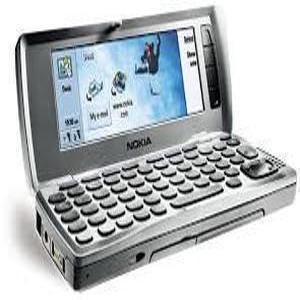
2000
Panasonic KX-F1010 Fax
The KX-F1010 was a reliable home and office staple for plain paper faxing. With auto-redial, speed dial memory, and built-in telephone features, it bridged analog and digital communication just as email was gaining dominance.
Year Released: 2000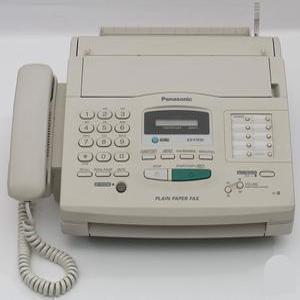
2000
Sony PlayStation 2
Launched in 2000, the PS2 became the best-selling console of all time. With DVD playback, groundbreaking 3D graphics, and a vast game library, it redefined home entertainment and elevated gaming to mainstream pop culture.
Year Released: 2000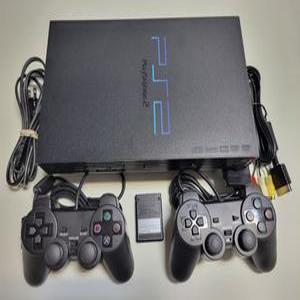
2000
Cordless Landline Phone
By 2000, cordless phones replaced wall cords with sleek handsets that roamed freely within range. This wireless model captured a domestic shift—long calls on the couch, multi-handset setups, and rechargeable base stations as the new norm.
Year Released: 2000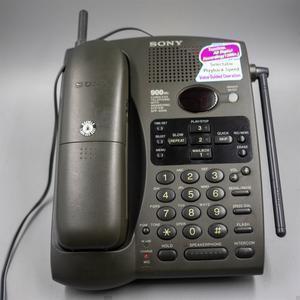
2000
Cordless Phone with Charging Base
A companion to early 2000s landlines, this base station charged the cordless handset and housed built-in answering machines or paging buttons. It became a staple on hallway tables and sideboards—proof that home phones were evolving fast.
Year Released: 2000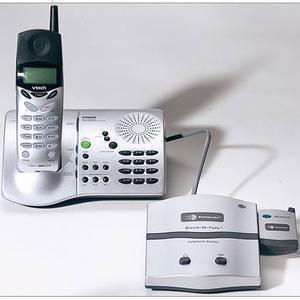
2001
iPod (1st Gen)
Released in 2001, the original iPod transformed how we carried music—putting “1,000 songs in your pocket.” With its click wheel, FireWire sync, and minimalist design, it kickstarted a digital audio revolution and reshaped Apple’s future.
Year Released: 2001.jpg)
2002
Flat-Screen PC Monitor
In 2002, LCD monitors began replacing bulky CRTs on office desks and gaming rigs alike. Sleeker, lighter, and easier on the eyes, these early flatscreens brought modern design into everyday computing—even before widescreen was standard.
Year Released: 2002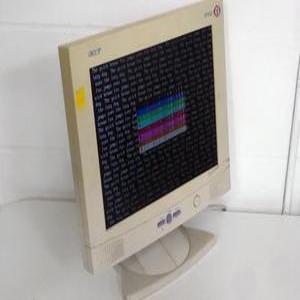
2002–2015
Friendster
Before Facebook and MySpace, there was Friendster—a 2002 social network built around testimonials, photos, and “who viewed me” mystique. Hugely popular in Southeast Asia, it laid early groundwork for digital identity and social discovery.
Year Released: 2002–2015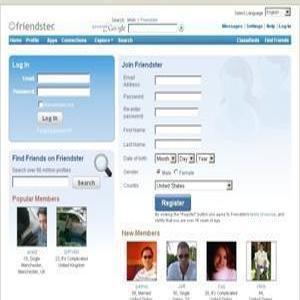
2002
Handspring Treo 180
One of the first true smartphones, the Treo 180 combined a Palm OS PDA with a mobile phone and tiny QWERTY keyboard. Launched in 2002, it let users call, text, sync, and organize—all before the iPhone rewrote the rules.
Year Released: 2002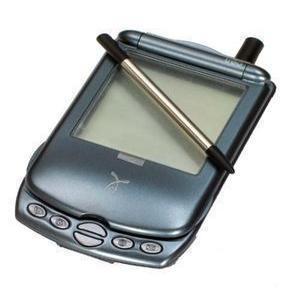
2002
Microsoft Tablet PC
Unveiled in 2002, Microsoft’s first Tablet PC vision offered handwriting input, stylus control, and full Windows XP on a touch-capable screen. Though bulky by today’s standards, it laid the conceptual groundwork for modern tablets.
Year Released: 2002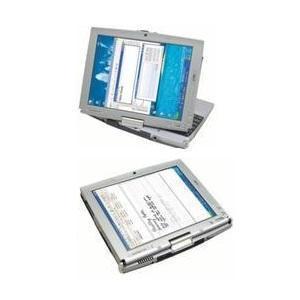
2002
Nokia 7650
One of the first phones with a built-in camera, Nokia’s 7650 changed how we capture and share moments. Launched in 2002 with a sliding keypad and color display, it marked the beginning of the cameraphone era.
Year Released: 2002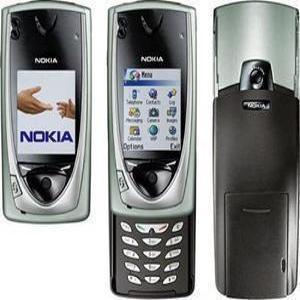
2003–2011
MySpace
Launched in 2003, MySpace gave users profile pages, playlists, custom HTML, and Tom as their first digital friend. It was a hub for bands, blogs, and blinged-out layouts—defining social networking before Facebook’s rise.
Year Released: 2003–2011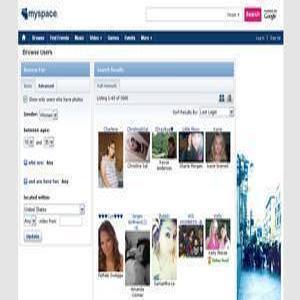
2003
Blu-ray Player
Introduced in 2003, Blu-ray players brought high-definition clarity to home media. With multi-layered storage and cinematic resolution, they replaced DVDs as the gold standard for movie playback—at least until streaming took the lead.
Year Released: 2003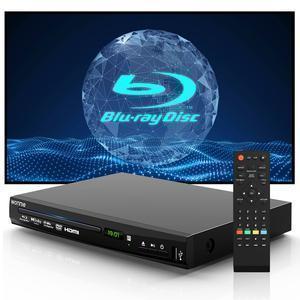
2003
Skype
Skype launched in 2003 as a groundbreaking voice-over-IP tool, letting users make free calls over the internet. With webcam support and worldwide reach, it redefined video calls and long-distance chats before Zoom became a verb.
Year Released: 2003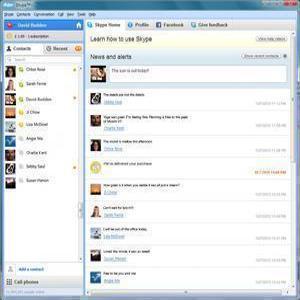
2003
Sony Digital Handycam
Sony’s early 2000s Handycam lineup made camcorders compact, digital, and powerful. With flip-out LCDs and FireWire support, they captured birthdays, road trips, and skater tricks—becoming the YouTube generation’s first video gear.
Year Released: 2003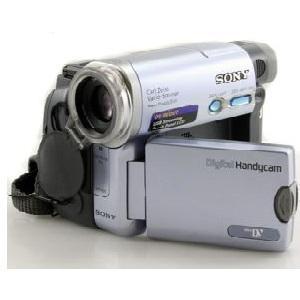
2003
The Pirate Bay
Launched in 2003, The Pirate Bay became the internet’s most notorious torrent tracker—championed by digital freedom advocates and vilified by copyright giants. With its defiant galleon logo, it reshaped how users shared files, music, and ideas online.
Year Released: 2003
2004
Creative MuVo TX FM
Compact and versatile, the MuVo TX FM packed USB plug-and-play, MP3 playback, and built-in radio into a chunky keychain-sized form. In 2004, it was a flash-based rebel in a world still full of CDs—perfect for commuters and tech-savvy students alike.
Year Released: 2004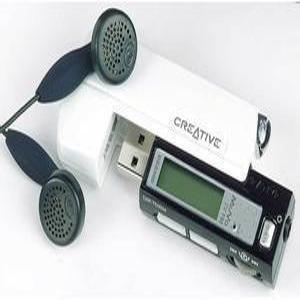
2004
Creative Zen MP3 Player
Creative’s Zen line offered high-capacity audio storage and vibrant color displays—positioned as iPod challengers in 2004. With drag-and-drop file transfer, long battery life, and sleek UI, they became a favorite among audiophiles and digital purists.
Year Released: 2004
2004
GoPro HERO (1st Gen)
GoPro’s 2004 debut brought rugged point-of-view filming to surfers, skaters, and thrill-seekers everywhere. Encased in waterproof housing and mounted to helmets, the first HERO used film—not digital—to launch a content creation revolution.
Year Released: 2004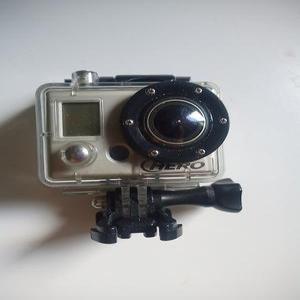
2004
iPod (4th Gen)
The 4th-gen iPod merged the click wheel from the iPod mini into the classic shell. Released in 2004 with longer battery life and sleeker design, it solidified Apple’s dominance in digital music and became the soundtrack of a generation.
Year Released: 2004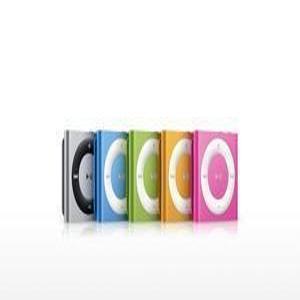
2004
Motorola RAZR V3 (Silver)
The RAZR V3 cut through the mobile market in 2004 with razor-thin form, anodized aluminum casing, and iconic clamshell swagger. More fashion statement than phone, it became a pop culture legend of early mobile style.
Year Released: 2004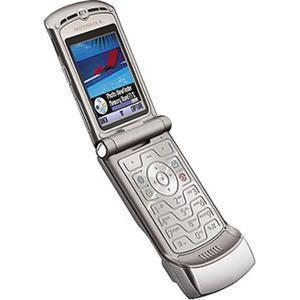
2004
Palm Treo 650
Released in 2004, the Treo 650 merged Palm OS productivity with a mobile phone and thumb keyboard. With touchscreen navigation, email, and a VGA camera, it was a true work-life multitool before the iPhone changed the game.
Year Released: 2004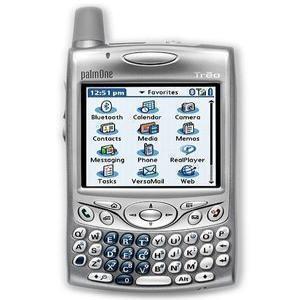
2004
Seagate 400GB External Drive
With massive 400GB capacity and USB 2.0 support, this early Seagate external drive stored thousands of MP3s, videos, and backups. In 2004, it was a sleek, silver vault for personal archives—bridging analog clutter to digital order.
Year Released: 2004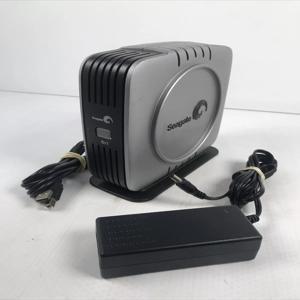
2005–2019
Flixster
Launching in 2005, Flixster let movie lovers share ratings, watch trailers, and sync with Rotten Tomatoes. It was a precursor to fandom-based film platforms—blending social profiles, cinema stats, and mobile check-ins long before Letterboxd.
Year Released: 2005–2019
2005
iPod Shuffle (Blue)
Tiny, screenless, and proudly random—the iPod Shuffle made music feel spontaneous. This 2005 blue version clipped onto pockets and playlists alike, offering flash memory storage in a playful package that celebrated chaos on shuffle.
Year Released: 2005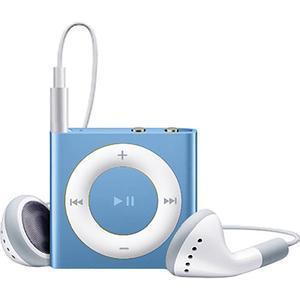
2005
Motorola SLVR L7
The SLVR L7 slimmed down Motorola’s RAZR DNA into a candybar silhouette. Launched in 2005 with iTunes support and microSD expansion, it blended metal elegance with music mobility—paving the way for MP3-savvy cell phones.
Year Released: 2005
2005
Nokia 7360
Part of Nokia’s L’Amour Collection, the 7360 was more fashion accessory than gadget. Debuting in 2005 with patterned textures, embossed trim, and earthy hues, it made SMS and style feel right at home in a couture purse pocket.
Year Released: 2005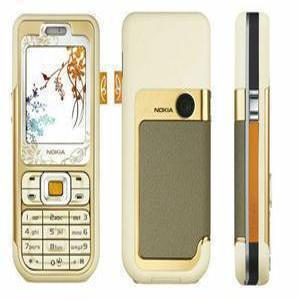
2006
iPod Shuffle (2nd Gen)
Apple’s 2006 iPod Shuffle traded the USB stick form for a sleek aluminum clip. Tiny, bold-colored, and screenless, it was perfect for joggers, students, and anyone who loved discovering their library one surprise track at a time.
Year Released: 2006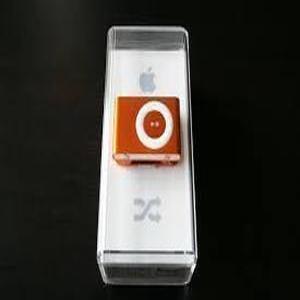
2006
Sony PlayStation 3
Sony’s PS3 delivered cutting-edge graphics, Blu-ray playback, and online multiplayer in a glossy chassis. Launched in 2006, it defined a new age of cinematic gaming and established the PlayStation Network as a digital content hub.
Year Released: 2006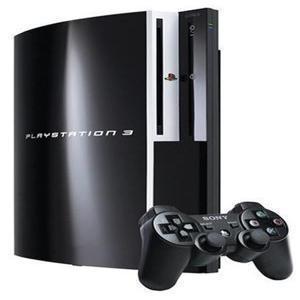
2007
Amazon Kindle (1st Gen)
With grayscale e-ink and Whispernet wireless downloads, the original Kindle revolutionized reading in 2007. Chunky but lightweight, it let users carry entire libraries in their hands—redefining bookstores, authorship, and attention spans.
Year Released: 2007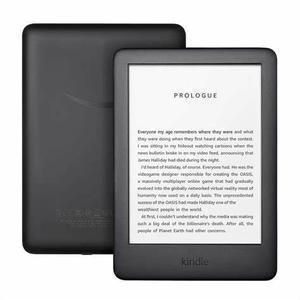
2007
Apple iPhone (1st Gen)
The original iPhone arrived in 2007 and instantly redefined the smartphone. With its capacitive touchscreen, multi-touch gestures, and iPod-Phone-internet trio, it was a pocket computer that felt like science fiction turned real.
Year Released: 2007.jpg)
2007
MyPhone Branding
MyPhone’s launch in 2007 came with proudly local branding—Philippine maps, national colors, and cultural apps. Its iconic heart-shaped logo symbolized both connectivity and homegrown innovation in the evolving mobile space.
Year Released: 2007
2008
iPod Touch (2nd Gen)
Apple’s 2008 iPod Touch brought the iPhone’s multitouch magic to a new generation of music lovers. Thinner and faster than before, it was the ultimate Wi-Fi media companion—apps, Safari, and Cover Flow in one sleek glass slab.
Year Released: 2008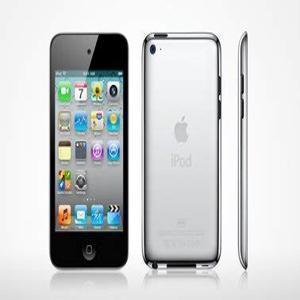
2008
Bluetooth Sports Earphones
Cutting the cord in 2008, these sporty in-ear Bluetooth headsets let joggers and gym-goers stream music tangle-free. With over-ear hooks and rechargeable batteries, they signaled early wireless freedom—before AirPods hit the scene.
Year Released: 2008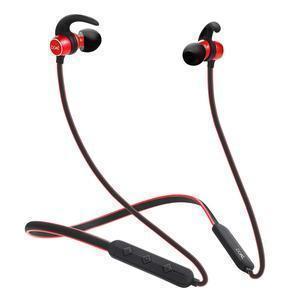
2009
Cherry Mobile
Cherry Mobile launched in 2009 with ultra-affordable dual-SIM phones for the Filipino market. It quickly became a household name—offering touchscreen devices and QWERTY models that let the masses join the mobile wave on a budget.
Year Released: 2009
2009
Cignal TV Satellite
Launched in 2009, Cignal TV brought high-definition satellite channels to Filipino homes. With prepaid and postpaid set-top boxes, it expanded access to local and global content—ushering in the digital TV age across the archipelago.
Year Released: 2009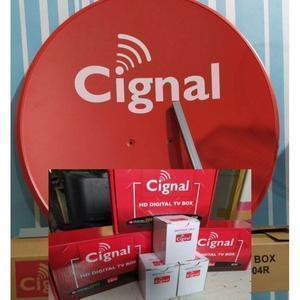
2009
Redfox Wizbook N1020i
This 2009 netbook from Filipino brand Redfox packed Windows XP and an Intel Atom CPU into a compact frame. Targeted at students and offices, the Wizbook made computing affordable during the height of the netbook boom.
Year Released: 2009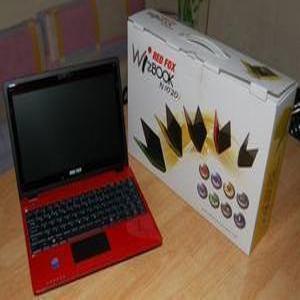
2010
“iPod” Clone (China OEM)
Sold in bazaars and gadget stalls, this early 2010 iPod lookalike played MP3s and FM radio—kind of. With clunky UI, vibrant shells, and surprising battery life, it was knockoff charm at its finest in the era before smartphones dominated music.
Year Released: 2010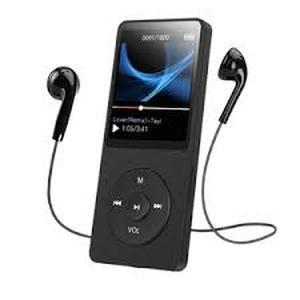
2010
Beats Bluetooth Earphones
Beats by Dre brought studio-quality bass and bold design to wireless audio in 2010. These noise-cancelling Bluetooth earphones blended fashion and function, making premium sound part of everyday streetwear and workout kits alike.
Year Released: 2010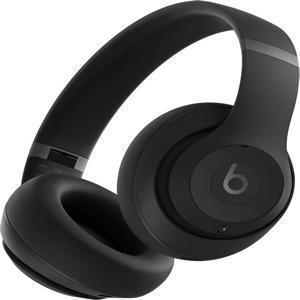
2010
BlackBerry Torch 9800
The Torch 9800 slid into the 2010 scene with a touchscreen and full QWERTY keyboard—offering the best of both input worlds. With BlackBerry OS 6, BBM, and business-class email, it tried to bridge the gap between legacy and touchscreen trends.
Year Released: 2010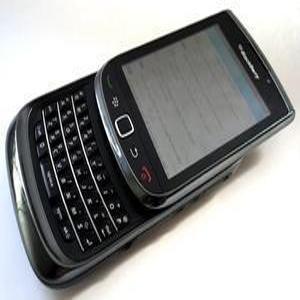
2010
Bluetooth Hook Earphones
Designed for fitness and commuting, these 2010-era Bluetooth earphones featured over-ear loops for a snug fit during workouts. With hands-free controls and rechargeable batteries, they pushed wireless freedom into everyday routines.
Year Released: 2010
2011
Apple iPad (2nd Gen)
Lighter, thinner, and faster—the iPad 2 launched in 2011 with front and rear cameras, setting the stage for FaceTime and tablet photography. Paired with a magnetic Smart Cover, it became a game-changer in both media and mobile productivity.
Year Released: 2011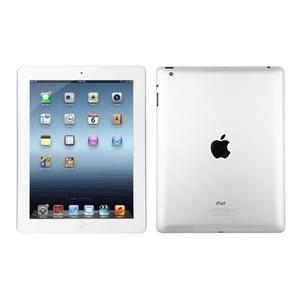
2012
Apple iPad (4th Gen)
The 4th-gen iPad in 2012 brought a Retina display, lightning connector, and upgraded A6X chip. It delivered crisp visuals and zippy performance, reinforcing the tablet’s status as a daily reading, gaming, and media tool across age groups.
Year Released: 2012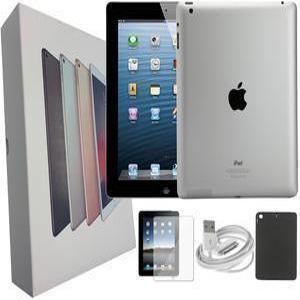
2013
Apple iPhone 5s
The iPhone 5s debuted in 2013 with Touch ID fingerprint unlock and a 64-bit A7 processor. It paired elegance and speed with security—ushering in biometric convenience for a generation of mobile users who now rarely touch a passcode again.
Year Released: 2013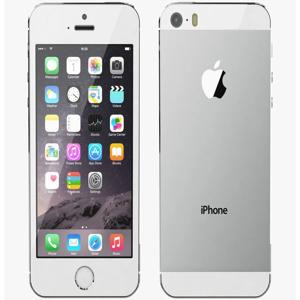
2013
Google Chromecast (1st Gen)
With an HDMI dongle and simple phone pairing, Chromecast turned “dumb” TVs smart in 2013. It let users stream YouTube, Netflix, and browser tabs—launching Google’s quiet yet powerful entry into the living room.
Year Released: 2013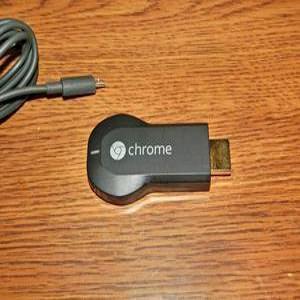
2013
HP Pavilion 14 Chromebook
HP’s 14" Chromebook brought cloud-first computing to budget-conscious users in 2013. With ChromeOS, fast boot times, and a web-centric approach, it redefined laptops for students and everyday tasks without the bloat of full desktops.
Year Released: 2013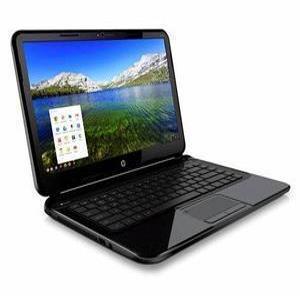
2014
Amazon Alexa (1st Gen)
When Alexa first spoke in 2014, it introduced mainstream voice control to households. The Echo smart speaker answered questions, played music, and dimmed lights—ushering in a new era of ambient computing and IoT convenience.
Year Released: 2014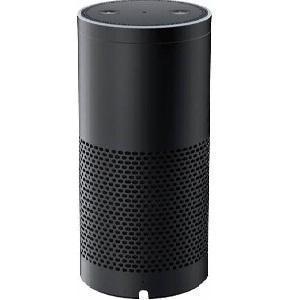
2014
Cherry Mobile Alpha Luxe
Part of Cherry Mobile’s Alpha Series, the Luxe offered a metallic look and large display on a Windows Phone 8.1 OS. Affordable and distinct in a sea of Android clones, it gave Filipino users a stylish, low-cost alternative with Lumia flair.
Year Released: 2014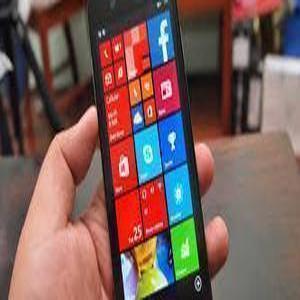
2014
Google Cardboard (v2)
In 2014, Google Cardboard turned any smartphone into a VR viewer using DIY lenses and folded paperboard. Version 2 improved comfort and compatibility—proving that immersive experiences didn’t need to be expensive to be magical.
Year Released: 2014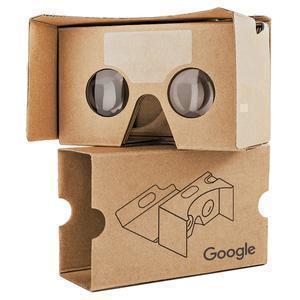
2015
MyPhone My111 Flip
Released in 2015, the MyPhone My111 delivered pure talk-and-text simplicity in a nostalgic flip design. With its dual SIM support, VGA camera, FM radio, and compact clamshell shell, it brought analog familiarity to a digital decade—still serving as a trusty companion for calls, messages, and everyday reliability.
Year Released: 2015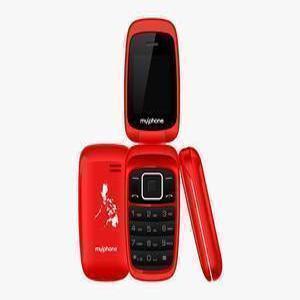
2015–2017
X3 Bluetooth Game Controller
Popular between 2015 and 2017, this budget-friendly X3 controller brought console-style gaming to smartphones. With dual analog sticks, Bluetooth pairing, and a phone cradle, it leveled up mobile gaming for Android users and emulator fans.
Year Released: 2015–2017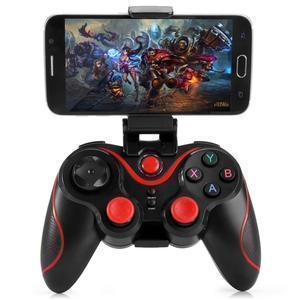
2015
ABS-CBN TVplus
Launched in 2015, ABS-CBN’s TVplus set-top box brought free digital television to millions of Filipino households. Offering clearer reception and exclusive channels like Cinemo and Knowledge Channel, it helped lead the country's shift from analog to digital broadcast.
Year Released: 2015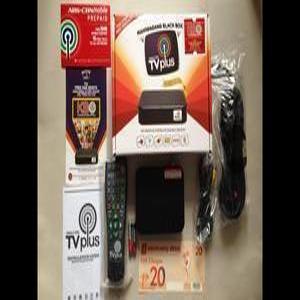
2015
Apple iPhone 6s (Gold)
The iPhone 6s debuted in 2015 with a refined gold finish, 3D Touch, a 12MP camera, and the speedy A9 chip. It brought Live Photos and smoother iOS multitasking—cementing Apple’s style-forward but power-packed approach to mobile design.
Year Released: 2015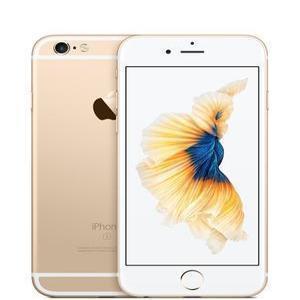
2015
VR BOX Virtual Reality Headset
Affordable and widely cloned, VR BOX headsets turned smartphones into VR viewers in 2015. With adjustable lenses and slide-in phone trays, they democratized immersive 3D video experiences long before standalone VR became mainstream.
Year Released: 2015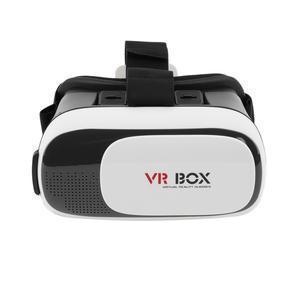
2016
Google Home (1st Gen)
Google’s debut smart speaker, launched in 2016, brought the Google Assistant into the living room. With voice commands for news, playlists, timers, and smart home control, it entered the scene as a direct challenger to Amazon’s Alexa.
Year Released: 2016.jpg)
2016
ASUS ZenFone Max
With a massive 5,000mAh battery, the 2016 ZenFone Max prioritized endurance over flash. Its powerbank-level stamina, paired with a 13MP camera and Snapdragon processor, made it a go-to phone for travelers, gamers, and budget-conscious power users.
Year Released: 2016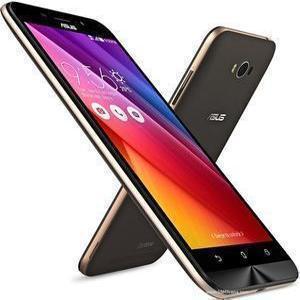
2017
HP ProBook 440 G5
Launched in 2017, the HP ProBook 440 G5 balanced portability and protection in a 14-inch package. Featuring Intel's 8th Gen Core CPUs, optional SSDs, and a fingerprint reader, it offered sleek aluminum styling with enterprise-grade durability for students and professionals on the move.
Year Released: 2017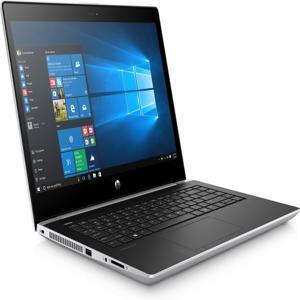
2017
Fitbit Alta HR
Debuting in 2017, the Alta HR packed continuous heart rate monitoring into Fitbit’s slimmest band yet. It tracked steps, sleep stages, and activity automatically—bridging fashion and fitness in one minimalist, wrist-hugging tracker.
Year Released: 2017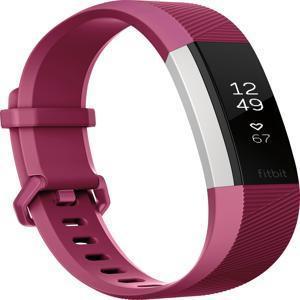
2018
Fusion5 Ultra Slim Windows Tablet
A 2018 standout in affordable computing, the Fusion5 Ultra Slim tablet ran full Windows 10 on a 10-inch touchscreen. With Intel Atom processing, USB ports, and HDMI out, it doubled as a work-and-play hybrid—perfect for budget-conscious users wanting a PC in tablet form.
Year Released: 2018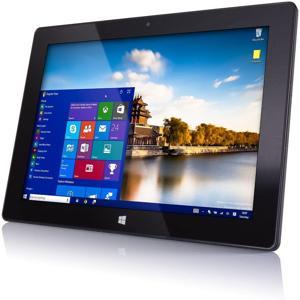
2018
ASUS ZenFone Max Pro (M1)
In 2018, ASUS struck a price-performance sweet spot with the Max Pro M1. Boasting a Snapdragon 636, pure Android UI, and long battery life, it became a fan-favorite for mobile gamers and a benchmark killer in the entry-midrange segment.
Year Released: 2018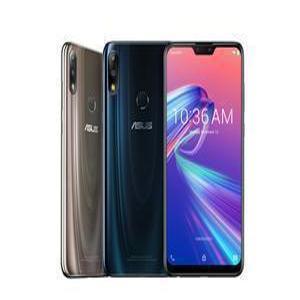
2018
iPhone XS Max
Apple’s biggest leap in 2018, the iPhone XS Max paired a 6.5-inch Super Retina OLED display with the A12 Bionic chip and Face ID. Polished in stainless steel and glass, it delivered flagship power in extra-large elegance—ushering in an era of ultra-premium smartphones.
Year Released: 2018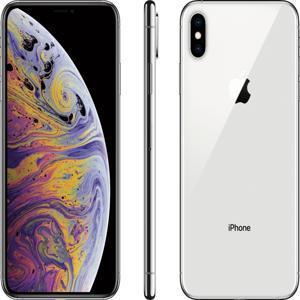
2020
Alldocube iPlay 20
Released in 2020, the iPlay 20 delivered Full HD entertainment and LTE connectivity in a surprisingly sleek budget Android tablet. With a 10.1-inch display, octa-core chip, and dual-SIM support, it found a niche among students and casual binge-watchers.
Year Released: 2020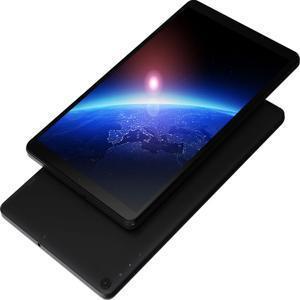
2020
Bluetooth Smartwatch (China OEM)
Widely sold through online shops and gadget bazaars in 2020, these China-manufactured smartwatches delivered fitness tracking, Bluetooth calls, and touchscreen utility for a fraction of premium smartwatch prices—democratizing wearable tech across regions.
Year Released: 2020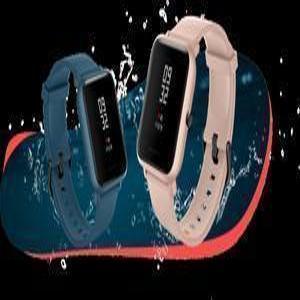
2022
realme Pad Mini
Compact but capable, the realme Pad Mini debuted in 2022 with LTE options, stereo speakers, and a lightweight 8.7-inch build. Powered by Android 11 and a Unisoc chip, it brought budget-friendly performance and portability to remote learners and readers on the go.
Year Released: 2022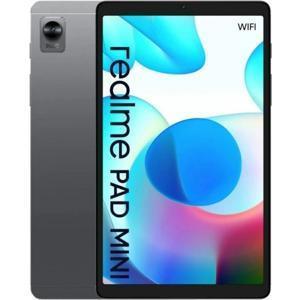
2024
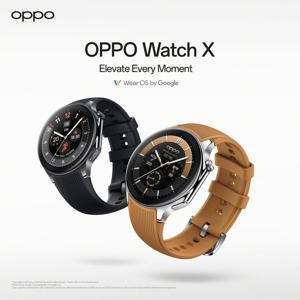
OPPO Watch X
Launched in 2024, the OPPO Watch X merged Wear OS power with premium design. Featuring sapphire glass, dual-GPS, a 500mAh battery, and a Snapdragon W5 chip, it echoed the OnePlus Watch 2 while delivering sleek, durable smart health tracking at flagship level.
Year Released: 2024