2000–2018
Chikka Text Messenger
Developed in the Philippines, Chikka bridged online and mobile messaging, allowing users to send free SMS from the internet to phones. It revolutionized Filipino communication, especially for students, OFWs, and prepaid users, and grew to operate in 14 countries before retiring in 2018.
Year Released: 2000–2018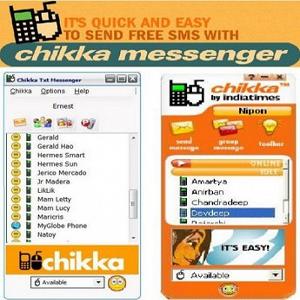
2000–2005
SBC Yahoo! DSL
SBC and Yahoo!’s 2000s DSL partnership brought branded portals and bundled services into homes across America. With co-branded email, browser toolbars, and homepage news feeds, it defined the transitional web experience between dial-up and Wi-Fi.
Year Released: 2000–2005
2000–2010
PLDT Coin Payphone
From street corners to sari-sari stores, PLDT’s coin-operated payphones kept communities connected in the 2000s. With clunky handsets and sliding rate charts, they marked the final days of analog voice before cell phones took over completely.
Year Released: 2000–2010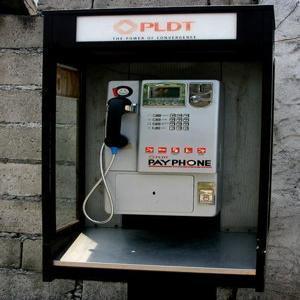
2000
CD-R King Drawing Tablet
Affordable and unpredictable, CD-R King’s drawing tablet offered aspiring artists an entry to digital art. Sold with minimal documentation but maximum potential, it was a favorite experiment of students, designers, and curious tinkerers alike.
Year Released: 2000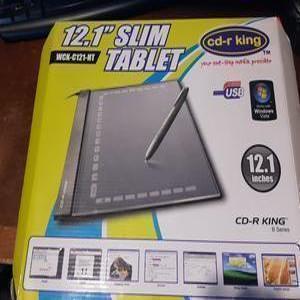
2000
“iPod” Clone (China OEM)
Sold in bazaars and gadget stalls, this early 2000s iPod lookalike played MP3s and FM radio—kind of. With clunky UI, vibrant shells, and surprising battery life, it was knockoff charm at its finest in the era before smartphones dominated music.
Year Released: 2000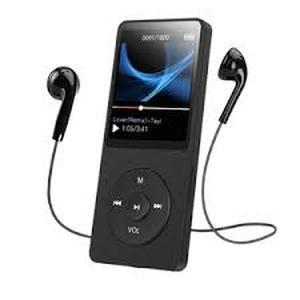
2000
EDSA Mail
An email service born from civic energy, EDSA Mail emerged in the wake of People Power II to connect youth, movements, and communities online. It symbolized the growing digital voice of the Filipino public in an age of activism and transition.
Year Released: 2000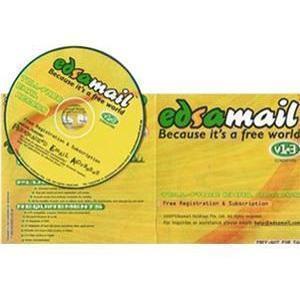
2000
Green Trimline Telephone
Seen in kitchens and hallways across the Philippines, these green trimline phones were a staple of 2000s domestic life. Durable and wall-mountable, their ring was unmistakable—and their curly cords remembered in every childhood call.
Year Released: 2000
2000
LimeWire
In 2000, LimeWire slithered onto the scene as Napster’s rebellious cousin—peer-to-peer sharing wrapped in a green interface. Songs, software, and surprises flowed freely across the globe until copyright crackdowns ended the party in 2010.
Year Released: 2000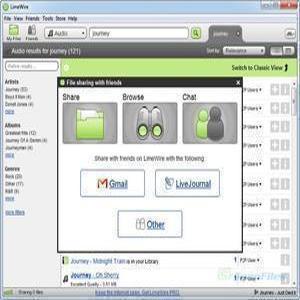
2000
Nokia 3310
Iconic for its resilience, the Nokia 3310 debuted in 2000 and quickly became a mobile legend. Beloved for its long battery life, changeable covers, and the original Snake game, it defined simplicity and indestructible charm.
Year Released: 2000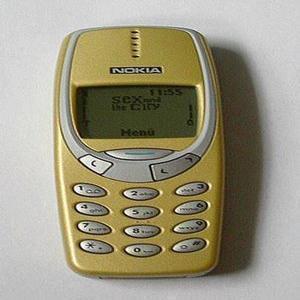
2000
Nokia 6210
The Nokia 6210 combined business features with durability, offering infrared connectivity, PC sync, and a monochrome display. Widely adopted by professionals, it was sleek, reliable, and ahead of its time in wireless data capabilities.
Year Released: 2000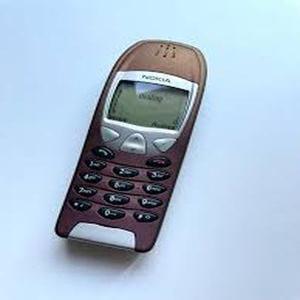
2000
Nokia 9210 Communicator
A true smartphone pioneer, the Nokia 9210 opened like a clamshell mini-computer with a full QWERTY keyboard and color screen. Launched in 2000, it ran Symbian OS and introduced mobile email, web browsing, and document editing on the go.
Year Released: 2000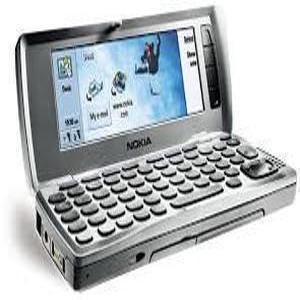
2000
Panasonic KX-F1010 Fax
The KX-F1010 was a reliable home and office staple for plain paper faxing. With auto-redial, speed dial memory, and built-in telephone features, it bridged analog and digital communication just as email was gaining dominance.
Year Released: 2000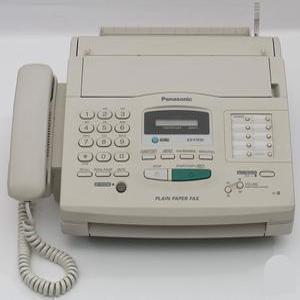
2000
Sony PlayStation 2
Launched in 2000, the PS2 became the best-selling console of all time. With DVD playback, groundbreaking 3D graphics, and a vast game library, it redefined home entertainment and elevated gaming to mainstream pop culture.
Year Released: 2000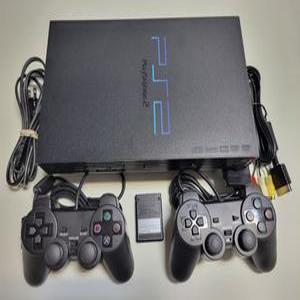
2000
Cordless Landline Phone
By 2000, cordless phones replaced wall cords with sleek handsets that roamed freely within range. This wireless model captured a domestic shift—long calls on the couch, multi-handset setups, and rechargeable base stations as the new norm.
Year Released: 2000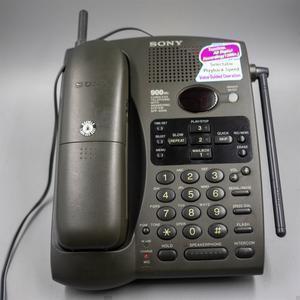
2000
Cordless Phone with Charging Base
A companion to early 2000s landlines, this base station charged the cordless handset and housed built-in answering machines or paging buttons. It became a staple on hallway tables and sideboards—proof that home phones were evolving fast.
Year Released: 2000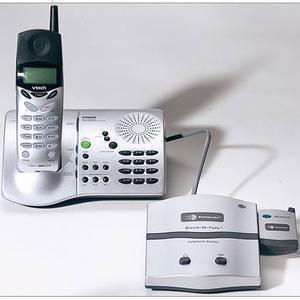
2001
iPod (1st Gen)
Released in 2001, the original iPod transformed how we carried music—putting “1,000 songs in your pocket.” With its click wheel, FireWire sync, and minimalist design, it kickstarted a digital audio revolution and reshaped Apple’s future.
Year Released: 2001.jpg)
2002
Flat-Screen PC Monitor
In 2002, LCD monitors began replacing bulky CRTs on office desks and gaming rigs alike. Sleeker, lighter, and easier on the eyes, these early flatscreens brought modern design into everyday computing—even before widescreen was standard.
Year Released: 2002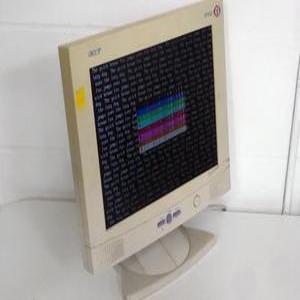
2002–2015
Friendster
Before Facebook and MySpace, there was Friendster—a 2002 social network built around testimonials, photos, and “who viewed me” mystique. Hugely popular in Southeast Asia, it laid early groundwork for digital identity and social discovery.
Year Released: 2002–2015
2002
Handspring Treo 180
One of the first true smartphones, the Treo 180 combined a Palm OS PDA with a mobile phone and tiny QWERTY keyboard. Launched in 2002, it let users call, text, sync, and organize—all before the iPhone rewrote the rules.
Year Released: 2002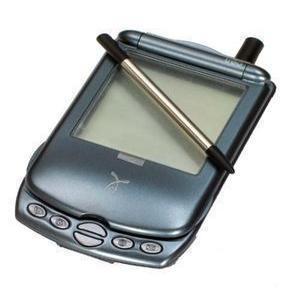
2002
Microsoft Tablet PC
Unveiled in 2002, Microsoft’s first Tablet PC vision offered handwriting input, stylus control, and full Windows XP on a touch-capable screen. Though bulky by today’s standards, it laid the conceptual groundwork for modern tablets.
Year Released: 2002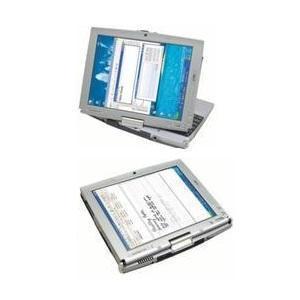
2002
Nokia 7650
One of the first phones with a built-in camera, Nokia’s 7650 changed how we capture and share moments. Launched in 2002 with a sliding keypad and color display, it marked the beginning of the cameraphone era.
Year Released: 2002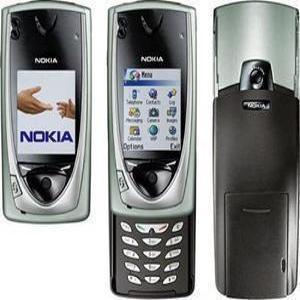
2003–2011
MySpace
Launched in 2003, MySpace gave users profile pages, playlists, custom HTML, and Tom as their first digital friend. It was a hub for bands, blogs, and blinged-out layouts—defining social networking before Facebook’s rise.
Year Released: 2003–2011
2003
Blu-ray Player
Introduced in 2003, Blu-ray players brought high-definition clarity to home media. With multi-layered storage and cinematic resolution, they replaced DVDs as the gold standard for movie playback—at least until streaming took the lead.
Year Released: 2003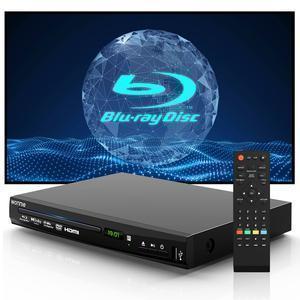
2003
Skype
Skype launched in 2003 as a groundbreaking voice-over-IP tool, letting users make free calls over the internet. With webcam support and worldwide reach, it redefined video calls and long-distance chats before Zoom became a verb.
Year Released: 2003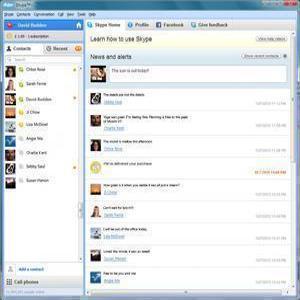
2003
Sony Digital Handycam
Sony’s early 2000s Handycam lineup made camcorders compact, digital, and powerful. With flip-out LCDs and FireWire support, they captured birthdays, road trips, and skater tricks—becoming the YouTube generation’s first video gear.
Year Released: 2003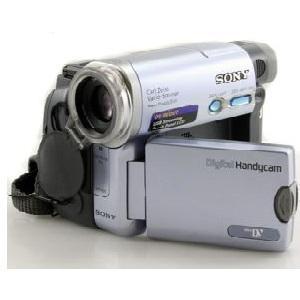
2003
The Pirate Bay
Launched in 2003, The Pirate Bay became the internet’s most notorious torrent tracker—championed by digital freedom advocates and vilified by copyright giants. With its defiant galleon logo, it reshaped how users shared files, music, and ideas online.
Year Released: 2003
2004
Creative MuVo TX FM
Compact and versatile, the MuVo TX FM packed USB plug-and-play, MP3 playback, and built-in radio into a chunky keychain-sized form. In 2004, it was a flash-based rebel in a world still full of CDs—perfect for commuters and tech-savvy students alike.
Year Released: 2004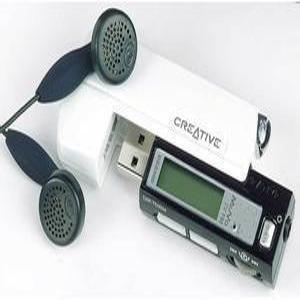
2004
Creative Zen MP3 Player
Creative’s Zen line offered high-capacity audio storage and vibrant color displays—positioned as iPod challengers in 2004. With drag-and-drop file transfer, long battery life, and sleek UI, they became a favorite among audiophiles and digital purists.
Year Released: 2004
2004
GoPro HERO (1st Gen)
GoPro’s 2004 debut brought rugged point-of-view filming to surfers, skaters, and thrill-seekers everywhere. Encased in waterproof housing and mounted to helmets, the first HERO used film—not digital—to launch a content creation revolution.
Year Released: 2004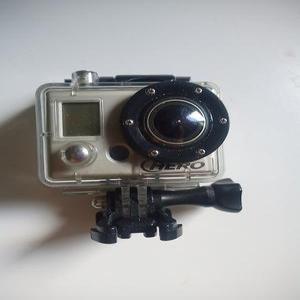
2004
iPod (4th Gen)
The 4th-gen iPod merged the click wheel from the iPod mini into the classic shell. Released in 2004 with longer battery life and sleeker design, it solidified Apple’s dominance in digital music and became the soundtrack of a generation.
Year Released: 2004
2004
Motorola RAZR V3 (Silver)
The RAZR V3 cut through the mobile market in 2004 with razor-thin form, anodized aluminum casing, and iconic clamshell swagger. More fashion statement than phone, it became a pop culture legend of early mobile style.
Year Released: 2004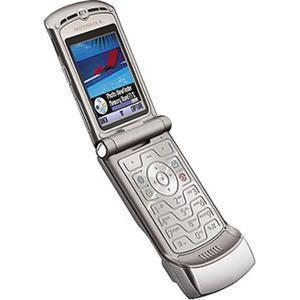
2004
Palm Treo 650
Released in 2004, the Treo 650 merged Palm OS productivity with a mobile phone and thumb keyboard. With touchscreen navigation, email, and a VGA camera, it was a true work-life multitool before the iPhone changed the game.
Year Released: 2004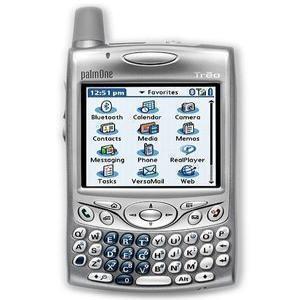
2004
Seagate 400GB External Drive
With massive 400GB capacity and USB 2.0 support, this early Seagate external drive stored thousands of MP3s, videos, and backups. In 2004, it was a sleek, silver vault for personal archives—bridging analog clutter to digital order.
Year Released: 2004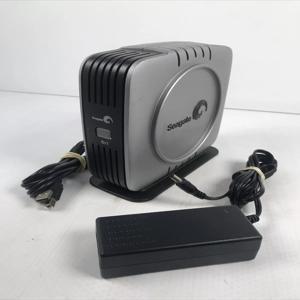
2005–2019
Flixster
Launching in 2005, Flixster let movie lovers share ratings, watch trailers, and sync with Rotten Tomatoes. It was a precursor to fandom-based film platforms—blending social profiles, cinema stats, and mobile check-ins long before Letterboxd.
Year Released: 2005–2019
2005
iPod Shuffle (Blue)
Tiny, screenless, and proudly random—the iPod Shuffle made music feel spontaneous. This 2005 blue version clipped onto pockets and playlists alike, offering flash memory storage in a playful package that celebrated chaos on shuffle.
Year Released: 2005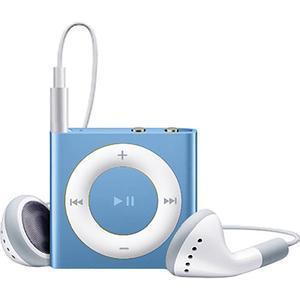
2005
Motorola SLVR L7
The SLVR L7 slimmed down Motorola’s RAZR DNA into a candybar silhouette. Launched in 2005 with iTunes support and microSD expansion, it blended metal elegance with music mobility—paving the way for MP3-savvy cell phones.
Year Released: 2005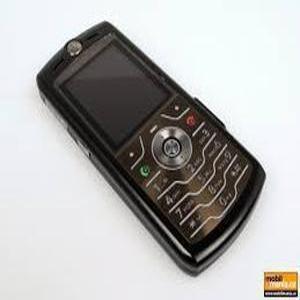
2005
Nokia 7360
Part of Nokia’s L’Amour Collection, the 7360 was more fashion accessory than gadget. Debuting in 2005 with patterned textures, embossed trim, and earthy hues, it made SMS and style feel right at home in a couture purse pocket.
Year Released: 2005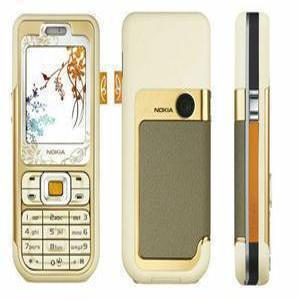
2006
iPod Shuffle (2nd Gen)
Apple’s 2006 iPod Shuffle traded the USB stick form for a sleek aluminum clip. Tiny, bold-colored, and screenless, it was perfect for joggers, students, and anyone who loved discovering their library one surprise track at a time.
Year Released: 2006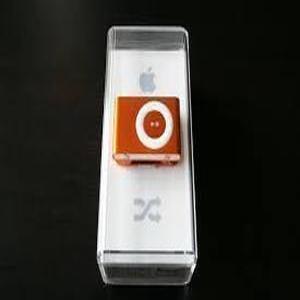
2006
Sony PlayStation 3
Sony’s PS3 delivered cutting-edge graphics, Blu-ray playback, and online multiplayer in a glossy chassis. Launched in 2006, it defined a new age of cinematic gaming and established the PlayStation Network as a digital content hub.
Year Released: 2006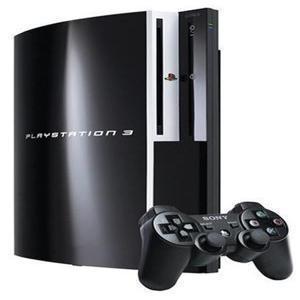
2007
Amazon Kindle (1st Gen)
With grayscale e-ink and Whispernet wireless downloads, the original Kindle revolutionized reading in 2007. Chunky but lightweight, it let users carry entire libraries in their hands—redefining bookstores, authorship, and attention spans.
Year Released: 2007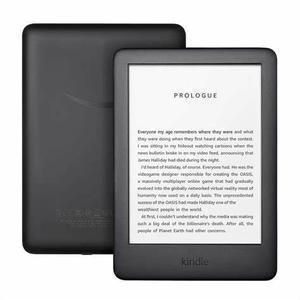
2007
Apple iPhone (1st Gen)
The original iPhone arrived in 2007 and instantly redefined the smartphone. With its capacitive touchscreen, multi-touch gestures, and iPod-Phone-internet trio, it was a pocket computer that felt like science fiction turned real.
Year Released: 2007.jpg)
2007
MyPhone Branding
MyPhone’s launch in 2007 came with proudly local branding—Philippine maps, national colors, and cultural apps. Its iconic heart-shaped logo symbolized both connectivity and homegrown innovation in the evolving mobile space.
Year Released: 2007
2008
iPod Touch (2nd Gen)
Apple’s 2008 iPod Touch brought the iPhone’s multitouch magic to a new generation of music lovers. Thinner and faster than before, it was the ultimate Wi-Fi media companion—apps, Safari, and Cover Flow in one sleek glass slab.
Year Released: 2008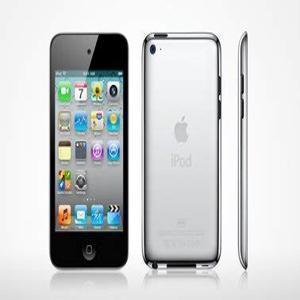
2008
Bluetooth Sports Earphones
Cutting the cord in 2008, these sporty in-ear Bluetooth headsets let joggers and gym-goers stream music tangle-free. With over-ear hooks and rechargeable batteries, they signaled early wireless freedom—before AirPods hit the scene.
Year Released: 2008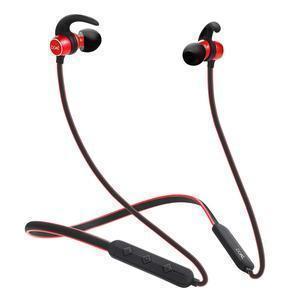
2009
Cherry Mobile
Cherry Mobile launched in 2009 with ultra-affordable dual-SIM phones for the Filipino market. It quickly became a household name—offering touchscreen devices and QWERTY models that let the masses join the mobile wave on a budget.
Year Released: 2009
2009
Cignal TV Satellite
Launched in 2009, Cignal TV brought high-definition satellite channels to Filipino homes. With prepaid and postpaid set-top boxes, it expanded access to local and global content—ushering in the digital TV age across the archipelago.
Year Released: 2009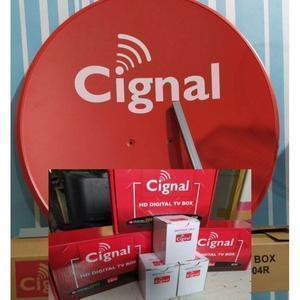
2009
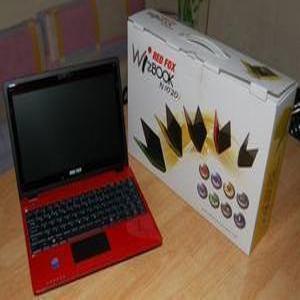
Redfox Wizbook N1020i
This 2009 netbook from Filipino brand Redfox packed Windows XP and an Intel Atom CPU into a compact frame. Targeted at students and offices, the Wizbook made computing affordable during the height of the netbook boom.
Year Released: 2009