1990–2000
Portable DVD Player
From car rides to carry-ons, portable DVD players defined mobile movie magic in the late ’90s. With built-in LCD screens and long-life batteries, they made DVDs truly untethered—bridging the gap between VHS and the coming digital stream.
Year Released: 1990–2000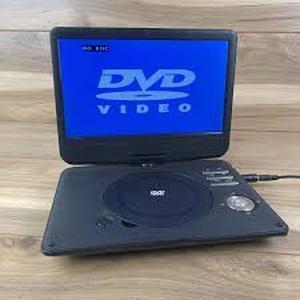
1990
Brick Game
Popularized in the ’90s, Brick Game handhelds bundled block-stacking and pixelated puzzles into a beeping, button-mashing companion. Often affordable and endlessly cloned, they defined lunch breaks, road trips, and pocket-sized joy.
Year Released: 1990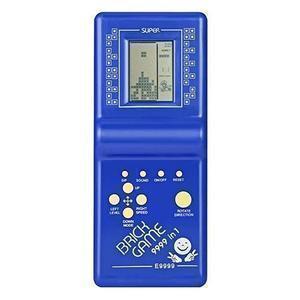
1990
ISP Bonanza
In the mid-1990s, ISP Bonanza helped bring internet access to Filipino homes. With prepaid hours and dial-up speeds, it introduced a generation to email, chatrooms, and the hum of modem handshakes—digitally connecting a nation in transition.
Year Released: 1990
1990s–2000s
Dial-Up Connection Screen
That familiar “connecting…” dialog from the ’90s and early 2000s captured the drama of dial-up. With handshake tones and snail-paced speeds, it marked the dawn of mass connectivity—where logging on felt like summoning magic.
Year Released: 1990s–2000s
1990s–2000s
Tower Records (Makati)
A haven for music lovers in the ’90s and early 2000s, Tower Records Makati offered stacked shelves of CDs, cassettes, and vinyl. It was a cultural hub—where discovery, listening stations, and fandom met under neon lights and iconic yellow branding.
Year Released: 1990s–2000s
1990
Motorola Beeper (Black)
Sleek and clipped to belts, Motorola’s pagers ruled professional life in the early ’90s. From hospital corridors to tech startups, the simple “911” buzz was enough to summon urgency—decoding a language of blips before texting existed.
Year Released: 1990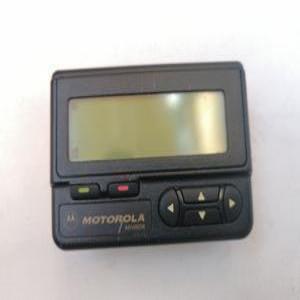
1990
Toshiba T3100SX
The Toshiba T3100SX brought desktop power to the briefcase in 1990. With a crisp amber plasma screen and 386 processor, it was a DOS-driven workhorse—bridging the era of green text terminals to modern portable computing.
Year Released: 1990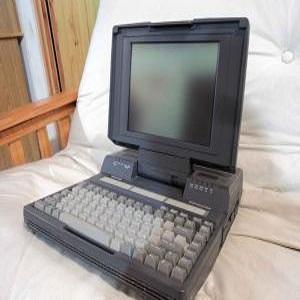
1990
Web Buttons (1.0 Style)
With beveled edges and pixel-perfect gradients, 1990s web buttons were functional flair. Found on guestbooks, counters, and “Under Construction” signs, they defined early internet design—a digital aesthetic frozen in GIFs and table layouts.
Year Released: 1990
1990
Yahoo! (Early Homepage)
In the early ’90s, Yahoo! was the internet’s front door—an evolving portal of purple links and hand-curated categories. Before search engines reigned, this site helped millions surf the web one click at a time.
Year Released: 1990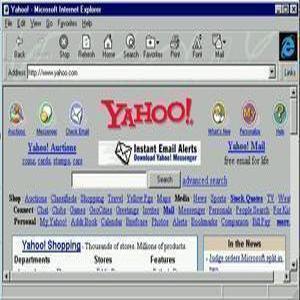
1990s
Nokia (Mom’s Old Cellphone)
Chunky but lovable, this late-’90s Nokia model made calls, texts, and Snake wildly accessible. Durable enough to survive drops, it became a household fixture—synonymous with dependability and that unforgettable Nokia ringtone.
Year Released: 1990s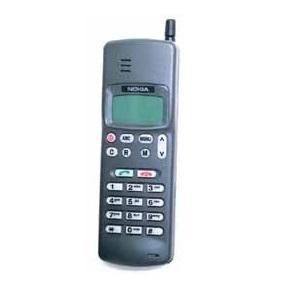
1990
BBS Dial-Up Forums
Before the web went global, bulletin board systems (BBS) ruled the digital underground. Logging in via dial-up, users exchanged text files, played ASCII games, and joined niche forums—a precursor to today’s forums and social networks.
Year Released: 1990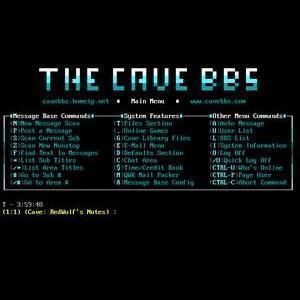
1993
Psion Series 3a
Released in 1993, the Psion 3a was a true PDA pioneer. With a clamshell keyboard, calendar, word processor, and spreadsheet support, it became a favorite for mobile professionals long before smartphones redefined productivity.
Year Released: 1993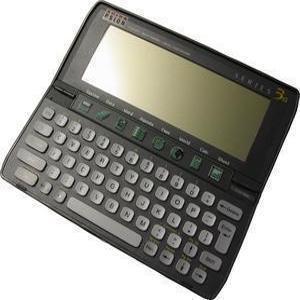
1994
Iomega Zip Drive
The 1994 Iomega Zip Drive offered 100MB of removable storage—an enormous leap from floppies. Beloved by creatives and IT staff alike, its chunky cartridges made backing up files feel futuristic, until CDs and flash took over.
Year Released: 1994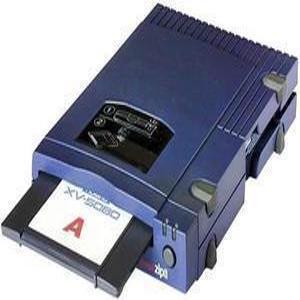
1994
Sony PlayStation (Original)
Sony’s original grey PlayStation, launched in 1994, changed gaming forever. With polygon-based 3D graphics and CD-ROM storage, it birthed franchises like Final Fantasy VII and Crash Bandicoot—ushering in a new era of immersive play.
Year Released: 1994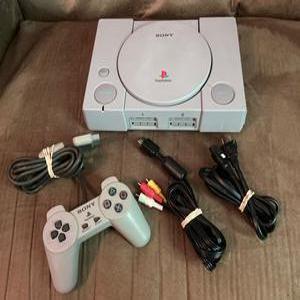
1994
Lycos Search
Launched in 1994, Lycos was one of the earliest web search engines—part crawler, part portal. With a dog mascot and portal homepage, it introduced millions to web indexing before Google rose to dominate the search era.
Year Released: 1994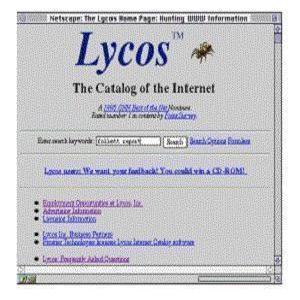
1995–2000
PLDT Landline Telephone
Throughout the ’90s, the PLDT landline was a lifeline for Filipino households. With clear plastic casings or wall-mounted units, these analog phones rang in the era of long conversations, dial tones, and shouted “may tawag ka!” from another room.
Year Released: 1995–2000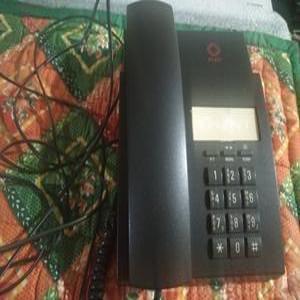
1995
AltaVista Search
AltaVista burst onto the scene in 1995 as one of the internet’s first full-text search engines. With lightning-fast indexing and advanced filters, it became a go-to tool for navigating a rapidly expanding web—long before Google claimed the crown.
Year Released: 1995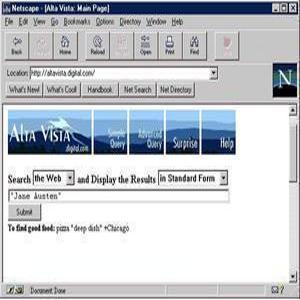
1995
Internet Yellow Pages
Before search engines became universal, print volumes like the Internet Yellow Pages helped users find websites. Part directory, part tech snapshot, they offered curated URLs, descriptions, and a glimpse into the earliest mapped digital frontier.
Year Released: 1995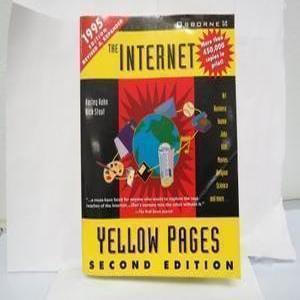
1995
WebCrawler
Launched in the mid-’90s, WebCrawler was the first search engine to index full pages rather than just titles. Its quirky branding and basic UI opened the floodgates for countless web discoveries in a rapidly evolving digital ecosystem.
Year Released: 1995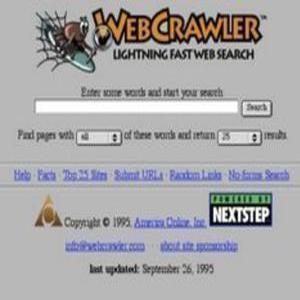
1995
Wired Home Intercom Phones
These multipoint intercom phones allowed households to page room-to-room like a suburban PA system. Common in ’90s homes, they made calling the kitchen from upstairs—or eavesdropping—oddly high-tech in a pre-wireless age.
Year Released: 1995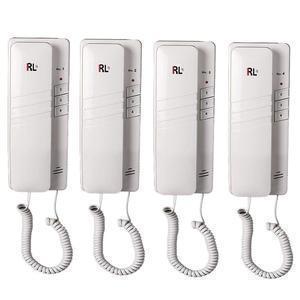
1995
Yahoo! (1995)
In 1995, Yahoo! reigned as the internet’s front porch—a hand-built directory of websites and categories. Its homepage, with blinking GIFs and purple charm, helped shape browsing habits and became a symbol of early web culture.
Year Released: 1995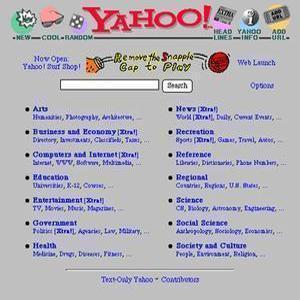
1996–2007
BOLT.com
Long before social media giants, BOLT.com offered teens a space to create profiles, journal, and share polls. Active from 1996 to 2007, it was an early experiment in user-generated content and community-driven online identity.
Year Released: 1996–2007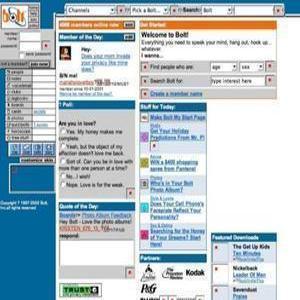
1996–2009
GeoCities
From 1996 to 2009, GeoCities empowered anyone to build a personal website—complete with spinning GIFs, starry backgrounds, and guestbooks. It was the messy, marvelous heart of the early web and the internet’s original creative playground.
Year Released: 1996–2009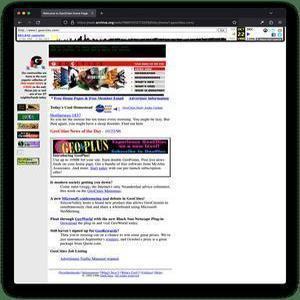
1996
Dogpile Search
Launched in 1996, Dogpile cleverly combined multiple search engine results—Google, Yahoo!, Ask Jeeves—into one page. With its playful name and meta-search approach, it helped users find what they needed in a chaotic internet landscape.
Year Released: 1996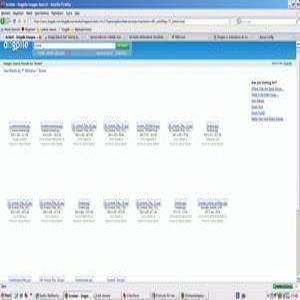
1996
Sony Discman
In 1996, the Sony Discman remained a must-have for CD lovers. Sleek and portable with skip protection tech, it let music fans take their albums on the go. A cultural icon nestled inside backpacks and glove compartments worldwide.
Year Released: 1996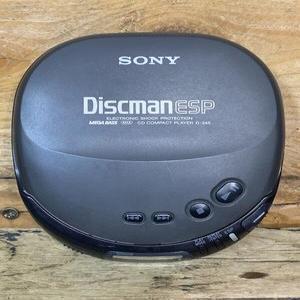
1996
Tamagotchi
Hatched in 1996, Tamagotchis brought digital caretaking to playgrounds everywhere. These egg-shaped pocket pets chirped for food, fun, and sleep—and sparked an emotional bond that made losing one a pixelated tragedy.
Year Released: 1996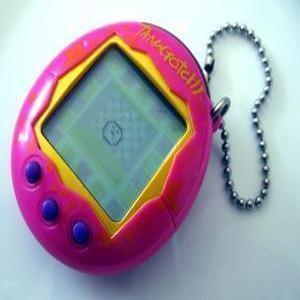
1996
Toshiba Satellite 100CS
The 100CS brought vibrant color LCDs to Toshiba’s rugged Satellite line. Released in 1996, it combined a trackball, CD-ROM drive, and Windows 95 into a portable shell—blazing a trail for consumer laptops as media hubs and mobile workstations.
Year Released: 1996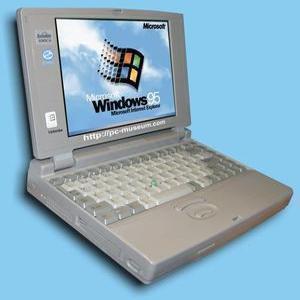
1997–2017
AOL Instant Messenger (AIM)
With away messages, buddy lists, and that unforgettable “door open” sound, AIM defined online chatting from 1997 to 2017. It gave birth to internet slang, late-night convos, and the golden age of screen names and digital presence.
Year Released: 1997–2017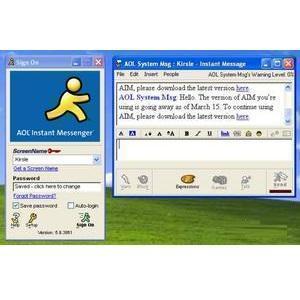
1997–2020
CD-R King (Philippines)
For over two decades, CD-R King offered everything from blank discs to USB fans at unbeatable prices. A Filipino tech cult classic, its cluttered shelves and unpredictable inventory became a defining part of mall culture and digital DIY life.
Year Released: 1997–2020
1997
Ask Jeeves
Ask Jeeves invited users to search the web with full questions—like they were speaking to a proper butler. Launched in 1997, its friendly mascot and natural language queries made it a charming, if short-lived, search engine alternative.
Year Released: 1997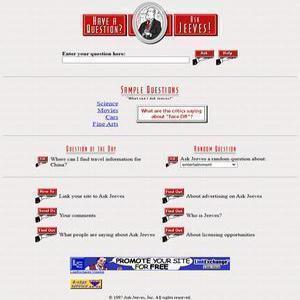
1997
Google Search
Founded in 1997, Google introduced a minimalist design and PageRank algorithm that forever changed information discovery. Its crisp white homepage became the internet’s compass, guiding billions through the web’s ever-expanding universe.
Year Released: 1997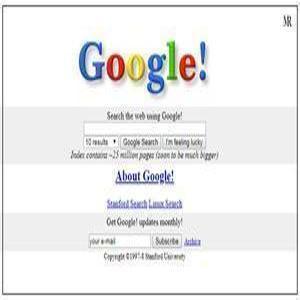
1997
Winamp
“It really whips the llama’s ass.” Winamp debuted in 1997 and quickly became the ultimate MP3 player. Skinnable, visualizable, and endlessly modded, it defined music playback for early file-sharing users and bedroom DJs alike.
Year Released: 1997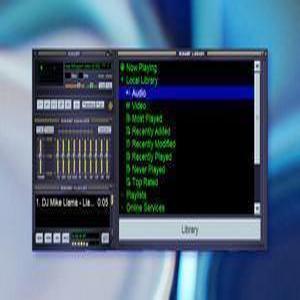
1998–2005
BonziBuddy
A purple chimp who talked, sang, and offered “help,” BonziBuddy roamed desktops from 1998 to 2005. Once seen as charming, he became infamous for intrusive behavior and spyware—symbolizing the wild west of downloadable desktop software.
Year Released: 1998–2005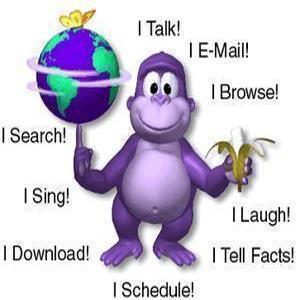
1998
Compaq Presario 1240
Affordable and student-friendly, the Presario 1240 packed a Pentium processor and CD drive into a compact shell. Released in 1998, it reflected the growing democratization of computing as laptops moved from luxury to necessity.
Year Released: 1998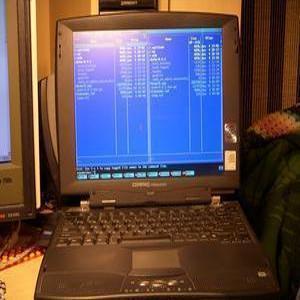
1998
Dance Dance Revolution Mat
Introduced in 1998, DDR mats turned living rooms into arcades. Players stomped in sync with pulsating J-pop, scoring combos and breaking a sweat. These plastic pads launched a rhythm gaming craze that blurred the line between play and performance.
Year Released: 1998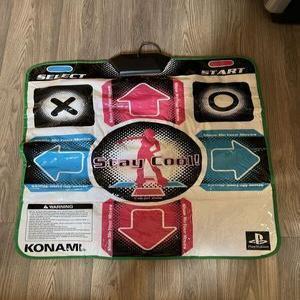
1998
Game Boy Color (Purple)
Nintendo’s Game Boy Color debuted in 1998 with a burst of personality. This purple variant packed a color screen, IR communication, and Pokémon-ready hardware into a portable powerhouse that defined countless childhoods.
Year Released: 1998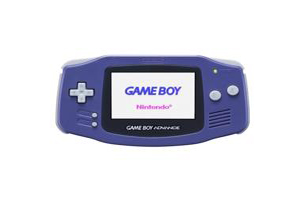
1998
Game Boy Light (Gold)
Released exclusively in Japan in 1998, the Game Boy Light featured an electroluminescent backlight—perfect for late-night gaming. The gold edition gave it extra prestige, marking it as a collector’s gem in Nintendo’s handheld lineage.
Year Released: 1998.jpg)
1998
Palm III PDA
Palm’s III series launched in 1998 as the definitive PDA. With stylus input, IR beaming, and HotSync with a desktop, it kept calendars, contacts, and notes in your pocket—an elegant ancestor of the smartphone productivity age.
Year Released: 1998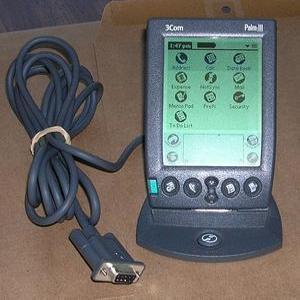
1998
Toshiba Equium Laptop
The 1998 Toshiba Equium series bridged business and home computing with multimedia ports and desktop-grade specs. Bulky but capable, it helped usher in the era of Windows 98 laptops that could handle work, CD playback, and internet browsing.
Year Released: 1998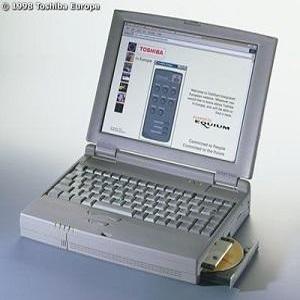
1998
Yahoo! Messenger
Launched in 1998, Yahoo! Messenger brought emoticons, group chats, and buzzes to desktops around the world. It became a staple of online social life—connecting friends, flirtations, and forums through a purple chat box that lived on for nearly two decades.
Year Released: 1998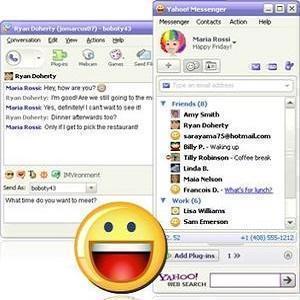
1999–2013
Xanga
From 1999 to 2013, Xanga was a safe haven for teen angst, pixel fonts, and autoplay music. Half blog, half diary, it gave users HTML-editable spaces to express themselves—often in lowercase poetry and glitter backgrounds.
Year Released: 1999–2013
1999
Compaq Armada M700
Compaq’s Armada M700 made waves in 1999 with its slim magnesium-alloy shell and docking support. Built for business on the go, it carried Intel Pentium II punch in a surprisingly sleek body—just in time for the mobile enterprise boom.
Year Released: 1999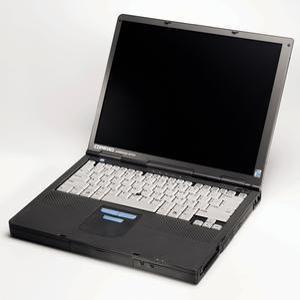
1999
MSN Messenger
MSN Messenger launched in 1999 and became the heartbeat of online adolescence. With status messages, custom emojis, and nudges, it created digital intimacy and emotional shorthand for millions before Facebook chats took the stage.
Year Released: 1999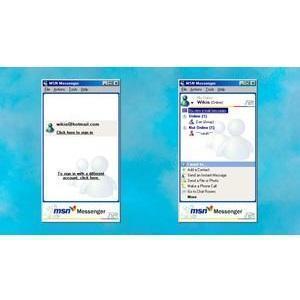
1999
Napster
In 1999, Napster blew open the doors to peer-to-peer file sharing. A digital music revolution wrapped in controversy, it let users trade MP3s globally and instantly—disrupting the music industry and planting the seeds for Spotify and streaming culture.
Year Released: 1999
1999
Nokia 7110
The Nokia 7110 was the first phone to feature a WAP browser, enabling limited web access on the go. Its spring-loaded slider and sleek design even earned it a cameo in “The Matrix”—a true cyber icon of the Y2K era.
Year Released: 1999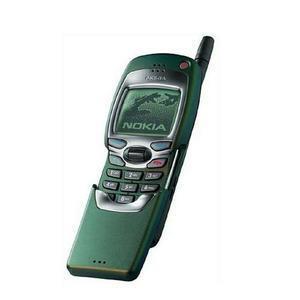
1999
Nokia 8210
Compact, customizable, and fashion-forward, the Nokia 8210 launched in 1999 as a millennial must-have. With swappable covers, vibrant colors, and Snake on board, it brought serious personality to the mobile experience.
Year Released: 1999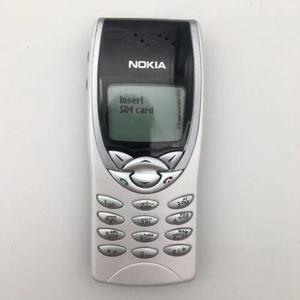
1999
Nokia 8850
Sleek, metallic, and ultralight, the Nokia 8850 was a luxury handset in 1999. With its subtle blue backlight and magnesium casing, it blurred the line between gadget and fashion accessory—executive minimalism in your palm.
Year Released: 1999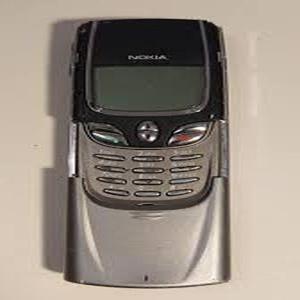
1999
RSS Feeds (Really Simple Syndication)
Emerging around 1999, RSS brought order to online chaos. With standardized feed formats, users could subscribe to blogs, news, and podcasts—ushering in content aggregation before social media ruled distribution.
Year Released: 1999