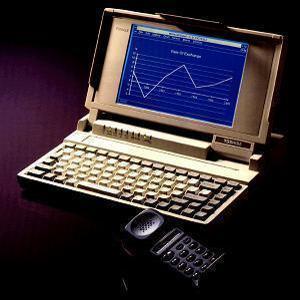
1980–1990
CRT Screen Protector
Common in the 1980s, CRT screen protectors reduced glare and static on bulky monitors while shielding the eyes from radiation. A staple in offices and homes, these framed panels reflected an early blend of ergonomic tech and aesthetic hardware mods.
Year Released: 1980–1990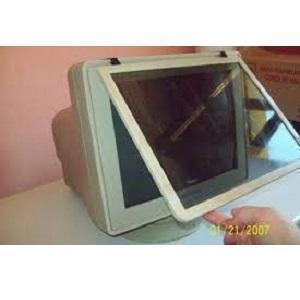
1980
Atari Space Invaders Tabletop
Miniaturizing arcade magic, Atari's Space Invaders tabletop released in 1980 brought pixelated alien shootouts to kitchen counters. With LED display, joystick, and iconic design, it launched a new wave of portable home gaming before handhelds took over.
Year Released: 1980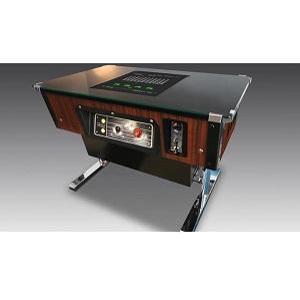
1980
Casio Calculator Watch
Casio’s iconic databank watch debuted in 1980, fusing wristwatch functionality with calculator convenience. Beloved by students and techies alike, it represented the first wave of wearable tech—long before the smartwatch era had even begun.
Year Released: 1980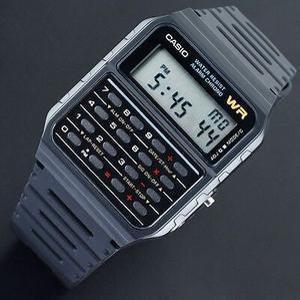
1980
IBM Dual-Floppy PC
A symbol of early personal computing, this 1980 IBM system featured twin 5.25" floppy drives and a monochrome green CRT. It ran word processors, spreadsheets, and BASIC programs—foundational tech in offices, schools, and garages that birthed the PC revolution.
Year Released: 1980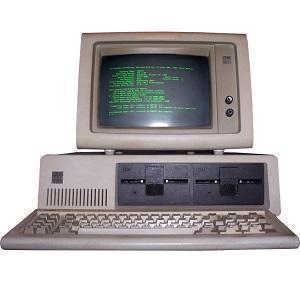
1980
Nintendo Famicom Gun
Nintendo's Famicom Light Gun debuted in Japan in 1980, turning TVs into duck-hunting fields and wild west saloons. It was among the earliest gaming peripherals to incorporate real-world motion into digital gameplay—an ancestor of motion controls to come.
Year Released: 1980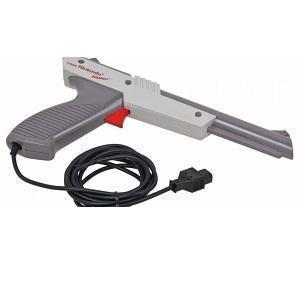
1980
PLDT Red Payphone
The red PLDT payphone became a familiar urban fixture in the 1980s Philippines. Mounted to kiosks or walls, these coin-operated lines were essential for emergencies and casual calls—icons of analog connectivity before the mobile revolution swept in.
Year Released: 1980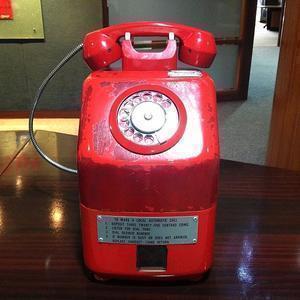
1980
Sony Microcassette-Corder (Black)
Launched in 1980, this black Sony microcassette recorder became indispensable for journalists, executives, and students. Its sleek design and portability made it a go-to tool for voice memos, interviews, and audio diaries in the analog era.
Year Released: 1980.jpg)
1980
Sony Mini Cassette Recorder (Silver)
This silver model from Sony’s 1980 lineup offered elegant, portable voice recording using mini cassettes. With its chrome trim and push-button controls, it embodied the marriage of function and design in a pre-digital soundscape.
Year Released: 1980.jpg)
1980
Tandy Color Computer
Nicknamed the “CoCo,” Tandy’s 1980 Color Computer introduced color graphics and BASIC programming to hobbyists. Sold through RadioShack, it became a staple in classrooms and homes, helping a generation learn to code before coding was cool.
Year Released: 1980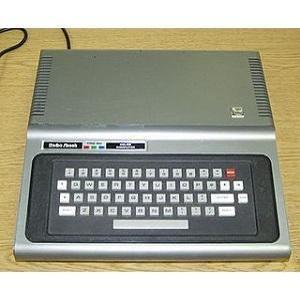
1981
Popeye Game & Watch
Nintendo’s 1981 Popeye Game & Watch blended pop culture with portable gaming. Featuring monochrome LCD gameplay, it packed arcade charm into a pocket-sized device—part timepiece, part toy, and a glimpse into handheld gaming's future.
Year Released: 1981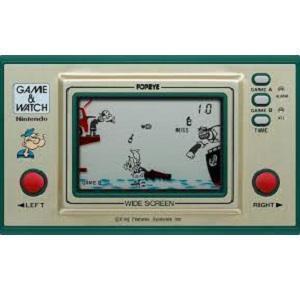
1982
Donkey Kong Game & Watch (Orange)
Released in 1982, this foldable dual-screen Game & Watch introduced platform gameplay and Nintendo’s now-iconic D-pad. Featuring Donkey Kong in vivid orange casing, it became a precursor to the modern handheld and a design icon of its time.
Year Released: 1982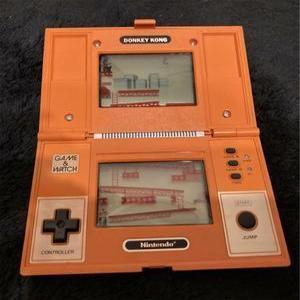
1982
Sony Watchman
Released in 1982, Sony’s Watchman turned TV into a pocket pastime. With a compact CRT screen and FM tuner, it allowed users to watch live broadcasts anywhere—an early preview of mobile entertainment decades before smartphones.
Year Released: 1982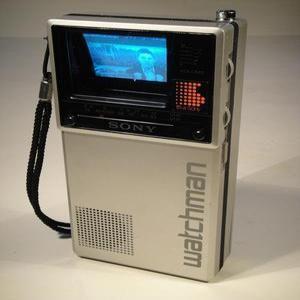
1983–2006
BellSouth
Operating from 1983 to 2006, BellSouth was a major telecommunications provider across the southeastern U.S., delivering landline, mobile, and internet services. Its branding became synonymous with analog connection before merging into AT&T's expanding wireless era.
Year Released: 1983–2006
1983
Apple IIe
Debuting in 1983, the Apple IIe refined the home computer experience with extended memory, an integrated keyboard, and Apple’s signature accessibility. It was a trusted classroom tool, coding platform, and gateway to the graphical interface age.
Year Released: 1983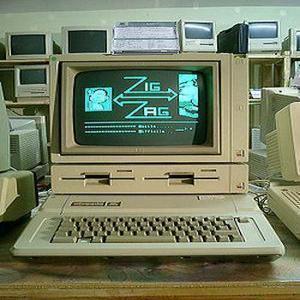
1983
Nintendo Family Computer
Launched in Japan in 1983, the Famicom introduced Mario, Zelda, and Metroid to the world. Its bold design, plug-in cartridges, and 8-bit brilliance reshaped gaming history—laying the groundwork for a global Nintendo legacy.
Year Released: 1983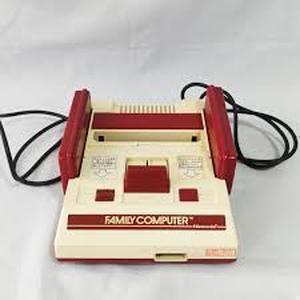
1983
Famicom Game Cartridges
These colorful cartridges powered the Nintendo Family Computer (Famicom), transforming 1983 living rooms into virtual playgrounds. Swappable and collectible, they made gaming modular—fueling an industry built on pixelated classics.
Year Released: 1983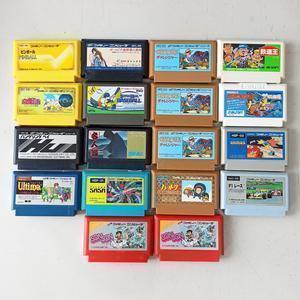
1984
Pioneer LCD Monitor
Pioneer’s 1984 LCD monitor was a glimpse into the flat-panel future. At a time when CRTs dominated, this thin, portable display pushed the boundaries of display tech, setting the stage for screens that now fit in our hands and pockets.
Year Released: 1984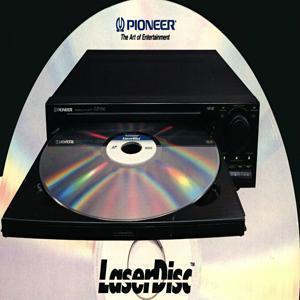
1985
Nintendo Entertainment System (NES)
Released in 1985, the NES rescued the video game industry after the 1983 crash. Its 8-bit charm, tight controls, and enduring titles like Super Mario Bros. transformed home gaming into a global cultural force.
Year Released: 1985.jpg)
1988
Motorola Bag Phone
Before flip phones, there was the bag phone. Motorola’s 1988 portable unit offered cellular freedom—sort of. Housed in a soft case with a coiled cord, it brought business calls and emergency dials into cars, truck cabs, and briefcases.
Year Released: 1988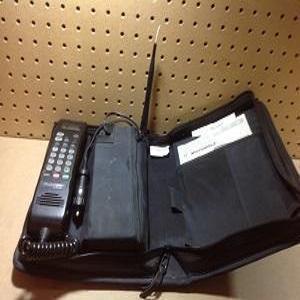
1988
Sega Mega Drive (Genesis)
Sega’s 1988 Mega Drive—known as the Genesis in the U.S.—brought 16-bit power and arcade speed into the living room. It introduced Sonic the Hedgehog and kickstarted a fierce rivalry with Nintendo that defined a generation of gamers.
Year Released: 1988.jpg)
1988
Redfox Technologies (PH)
Founded in 1988, Redfox Technologies emerged as a homegrown Filipino brand offering affordable PCs and peripherals. It made computing accessible to schools and families across the country during a pivotal tech boom in Southeast Asia.
Year Released: 1988
1989
Toshiba T1000LE
Toshiba’s T1000LE arrived in 1989 as an early “luggable” laptop. With MS-DOS, a built-in rechargeable battery, and a backlit LCD screen, it brought true portability to business computing just as the laptop era was dawning.
Year Released: 1989