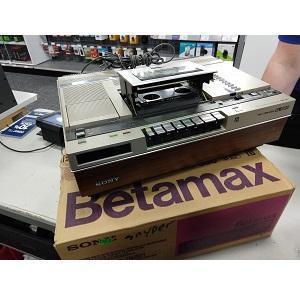
BetaMax Player
Early home video format by Sony, known for high-quality playback but lost to VHS dominance.
Year: 1975
BetaMax debuted in 1975 as Sony’s high-quality video format, featuring better resolution than VHS. However, its shorter recording time and higher price led to its decline. VHS, offering longer playback, dominated the market. Though BetaMax persisted in professional use, production ceased in 2016, marking the format’s end.
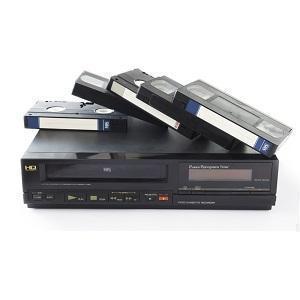
VHS Player
JVC's VHS player overtook BetaMax, becoming the dominant home video format of the 80s and 90s.
Year: 1976
Developed by JVC, VHS gained popularity due to its longer recording capacity, making it ideal for home entertainment. With widespread adoption in video rental stores, it became a household staple. Though replaced by DVDs in the 2000s, VHS remained in production until 2016, leaving a lasting impact on the film and television industry.
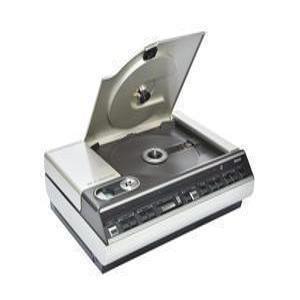
Philips LaserDisc Player
An optical disc format offering high-quality video but remained niche compared to VHS and Betamax.
Year: 1978
LaserDisc was the first optical disc format, offering better image and sound quality than VHS. Despite its advantages, its large 12-inch discs and high cost limited mainstream adoption. The format remained popular among film collectors and influenced later technologies like DVDs and Blu-ray, proving that digital storage could replace tapes.
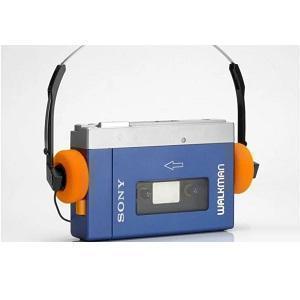
Sony Walkman
Revolutionized portable music, letting users enjoy personal cassette playback on the go.
Year: 1979
Launched in 1979, the Sony Walkman changed how people listened to music. It allowed users to enjoy cassette playback anywhere, revolutionizing personal audio. Compact and stylish, it became a cultural icon, leading to advancements in portable music players like CD players, MP3 players, and smartphones.
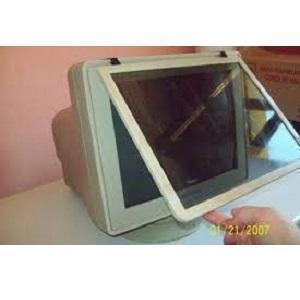
CRT Screen Protector
Protects CRT screens from glare, scratches, and dust, preserving display clarity and longevity.
Years: 1980-1990
Popular in the 1980s and 1990s, CRT screen protectors reduced glare, preventing eye strain during extended use. They also shielded screens from dust and scratches, preserving the quality of bulky CRT monitors and televisions until the rise of LCD and plasma displays.
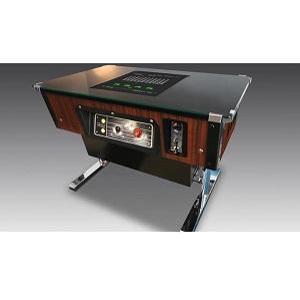
Atari Space Invaders
Tabletop arcade edition of the iconic game, bringing alien battles into compact gaming setups.
Year: 1980
The Atari tabletop edition of Space Invaders brought arcade gaming into homes and cafes. Featuring compact controls and pixelated alien battles, it was a hit in the 1980s. This version helped expand arcade culture, leading to home consoles like the Atari 2600 and NES.
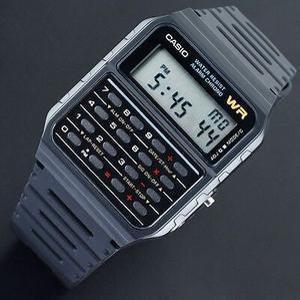
Casio Calculator Watch
Innovative wristwatch combining a digital clock with a calculator, making calculations portable.
Year: 1980
First introduced in 1980, the Casio Calculator Watch became a staple of tech-savvy users. Combining timekeeping with mathematical functions, it was widely adopted by students, engineers, and professionals. Its compact, futuristic design influenced later smartwatches and reinforced wearable technology as a functional fashion statement.
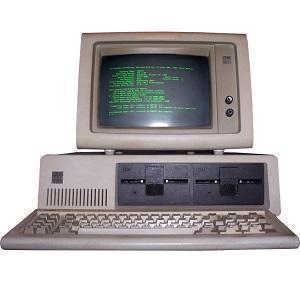
IBM PC
Early personal computer with dual 5-inch floppy drives and green monochrome display for business.
Year: 1980
The IBM Personal Computer, released in 1980, was a milestone in computing history. Equipped with dual floppy drives and a monochrome display, it provided businesses with reliable digital operations. Its architecture influenced modern PCs, setting industry standards for hardware compatibility and software development.

Nintendo Gun
Light gun accessory for the Family Computer, used in shooting games like Duck Hunt.
Year: 1980
The Nintendo Light Gun was introduced in 1980 as an innovative accessory for shooting games. Used in classics like Duck Hunt, it allowed players to aim and shoot with accuracy. Its technology paved the way for future gaming peripherals, influencing motion controls like the Wii Remote and VR systems.
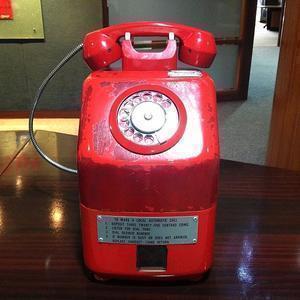
PLDT Red Pay Phone
Iconic public telephone unit, providing coin-operated local and long-distance calls in the 80s.
Year: 1980
Widely seen in the 1980s, the PLDT Red Pay Phone allowed users to make coin-operated local and long-distance calls. It became a vital communication tool before the rise of mobile phones. These units were often found in streets, transport terminals, and business hubs, providing affordable access to telecommunication.
.jpg)
Sony Microcassette Corder
Compact black recorder used for voice notes and interviews, popular among professionals.
Year: 1980
Used by journalists, students, and business professionals, the Sony Microcassette Corder offered portable voice recording with high reliability. Its compact design allowed discreet audio capture, making it popular for interviews, meetings, and personal note-taking before the rise of digital recorders.
.jpg)
Sony Mini Cassette Recorder
Silver portable recorder for dictation and audio playback, widely used for note-taking.
Year: 1980
The Sony Mini Cassette Recorder was a staple in the 1980s, providing easy voice recording and playback. Used for dictation, lectures, and audio documentation, it helped users capture ideas instantly. Though replaced by digital recorders, its legacy in portable audio remains significant.
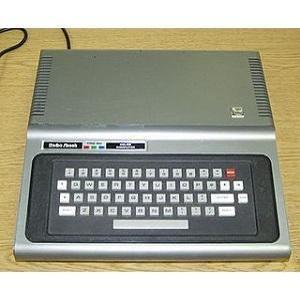
Tandy Color Computer
Early personal computer with a color display, known for its affordability and BASIC programming.
Year: 1980
The Tandy Color Computer, released in 1980, was designed for home users. It featured BASIC programming, allowing enthusiasts to create custom applications. Its affordability made it popular among early computing hobbyists, paving the way for more accessible personal computers and fostering early programming skills.
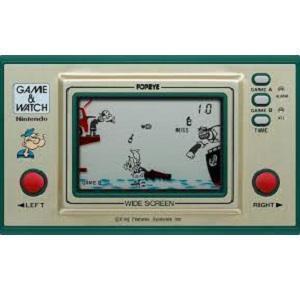
Popeye Game & Watch
Handheld LCD game based on the Popeye cartoon, part of Nintendo’s iconic Game & Watch series.
Year: 1981
The Popeye Game & Watch debuted in 1981 as part of Nintendo’s handheld series. Featuring simple LCD gameplay, players rescued Olive Oyl from enemies by catching items. This game helped shape handheld gaming, leading to innovations like the Game Boy and influencing portable gaming experiences worldwide.
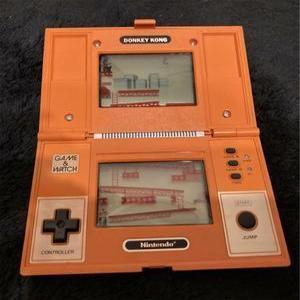
Donkey Kong Game & Watch
Orange dual-screen handheld featuring Nintendo's famous platformer, influencing later consoles.
Year: 1982
Released in 1982, the Donkey Kong Game & Watch introduced a dual-screen format, inspiring the design of the Nintendo DS. Featuring an LCD platformer, it was one of the earliest portable versions of Donkey Kong, influencing the future of handheld gaming and solidifying Nintendo’s dominance in the industry.
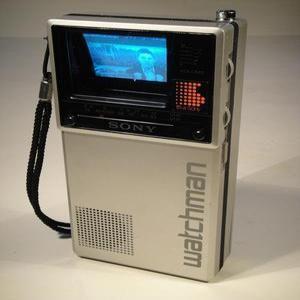
Sony Watchman
Pioneering portable TV with a black-and-white screen, offering handheld entertainment anywhere.
Year: 1982
Released in 1982, the Sony Watchman was one of the first handheld TVs, giving users portable entertainment anywhere. Its compact design featured a black-and-white CRT display, making it popular for travelers. Later models introduced LCD screens, marking advancements in mobile television technology.

BellSouth Phone
A long-lasting landline telephone model used in homes and offices for reliable communication.
Years: 1983-2006
The BellSouth landline phone, produced from 1983 to 2006, became a common fixture in homes and businesses. Known for its durability and clear voice transmission, it supported essential communication before mobile phones gained widespread popularity. BellSouth played a key role in evolving telecommunication infrastructure.
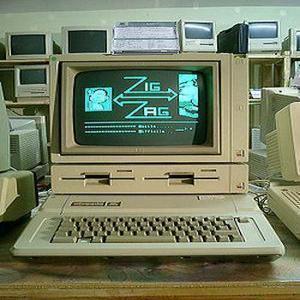
Apple IIe
Enhanced version of the Apple II, supporting better graphics, memory, and peripherals for users.
Year: 1983
Launched in 1983, the Apple IIe improved upon its predecessor with expanded memory, better graphics, and more peripheral support. Popular in schools and businesses, it introduced built-in lowercase text display, setting a new standard for usability. It remained a key educational tool into the early 1990s.
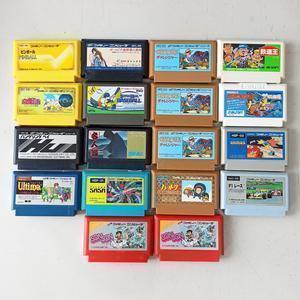
Nintendo Famicom Cartridges
Game cartridges for Japan’s Family Computer, featuring titles that shaped gaming history.
Year: 1983
The Famicom game cartridges launched in 1983, introducing iconic games that defined Nintendo’s legacy. With a distinctive design and colorful labels, these cartridges housed classics like Super Mario Bros., The Legend of Zelda, and Donkey Kong. Their success paved the way for Nintendo’s global gaming dominance through the NES.
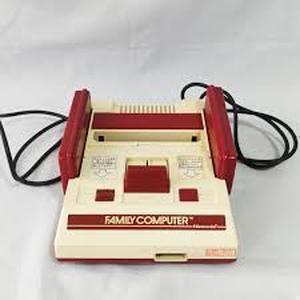
Nintendo Family Computer
Japan’s Famicom, predecessor to the NES, revolutionizing home gaming with iconic cartridges.
Year: 1983
The Famicom, launched in 1983, revolutionized home gaming with its 8-bit technology and support for interchangeable cartridges. Featuring a distinctive red-and-white design, it introduced beloved franchises like Super Mario Bros. and Metroid. Its success led to the global release of the Nintendo Entertainment System (NES).
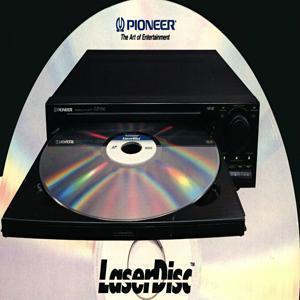
Pioneer LCD
Early LCD technology offering improved clarity over CRTs, paving the way for modern flat screens.
Year: 1984
Pioneer’s early LCD displays in 1984 provided a sharper image compared to traditional CRT screens. Although initially used in calculators and small electronics, these displays laid the groundwork for modern flat-panel TVs and computer monitors, influencing future advancements in screen technology.
.jpg)
Nintendo Entertainment System
NES revolutionized gaming with iconic titles like Mario and Zelda, defining 8-bit console history.
Year: 1985
The NES launched in 1985, reviving the gaming industry after the crash of 1983. Featuring Super Mario Bros., The Legend of Zelda, and Metroid, it introduced platformers and adventure games that shaped modern gaming. With its 8-bit graphics and expansive third-party support, the NES became a household staple, leading to future console innovations.
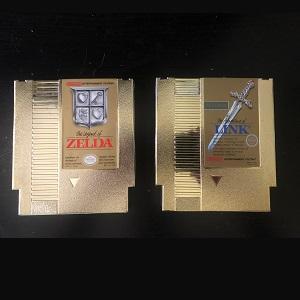
NES Gold Game Cartridge
Special edition gold cartridge, famously used in The Legend of Zelda, a classic in gaming history.
Year: 1987
The gold NES cartridge became legendary in 1987 with The Legend of Zelda, symbolizing exclusivity and premium design. Nintendo used this gold finish for limited releases, making these cartridges highly collectible. They set the standard for special editions, influencing gaming collectibles and future premium game releases.
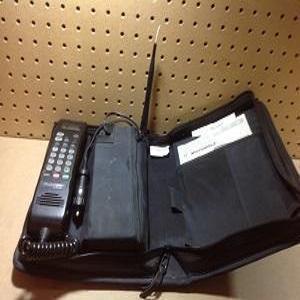
Motorola Bag Phone
Early mobile phone carried in a bag, offering better range than handheld models of its time.
Year: 1988
Released in 1988, the Motorola Bag Phone offered stronger signal reception than handheld models, making it ideal for vehicles and rural areas. Often used by professionals, its durable design and long battery life set the groundwork for modern mobile networks, before compact cell phones gained popularity.
.jpg)
Sega Mega Drive
Also known as Genesis, this console popularized Sonic the Hedgehog and 16-bit gaming worldwide.
Year: 1988
Released in 1988, the Sega Mega Drive (Genesis in North America) introduced 16-bit gaming with faster gameplay and richer graphics. It cemented Sega’s rivalry with Nintendo, delivering hits like Sonic the Hedgehog. With its aggressive marketing and arcade-style action, it became a defining console of the early '90s.

Redfox Technologies
A Philippine-based tech company known for innovations in computing and local digital solutions.
Year: 1988
Founded in 1988, Redfox Technologies became a key player in Philippine computing, focusing on affordable yet innovative hardware. Known for producing laptops, desktops, and digital solutions suited for local users, the company contributed to the growing accessibility of computers in Southeast Asia.
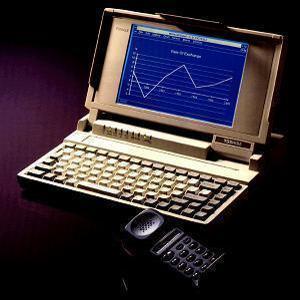
Toshiba T1000LE
Lightweight laptop with built-in MS-DOS, marking an era of portable computing accessibility.
Year: 1989
The Toshiba T1000LE, launched in 1989, was a compact MS-DOS laptop designed for business and education. With its lightweight build and built-in floppy drive, it allowed portability without sacrificing functionality. It marked a transition toward more compact computing, influencing future laptop designs.
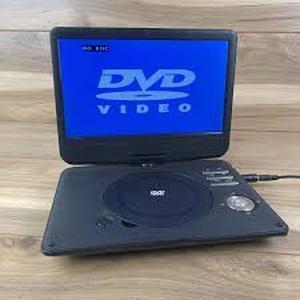
Portable DVD Player
Compact device for watching movies on the go, bridging DVD technology with handheld convenience.
Years: 1990-2000
Popular from the 1990s to 2000s, portable DVD players allowed on-the-go movie viewing. Featuring built-in screens and rechargeable batteries, they were essential for travel and entertainment before smartphones and streaming replaced physical discs. Their innovation led to advances in compact media playback devices.
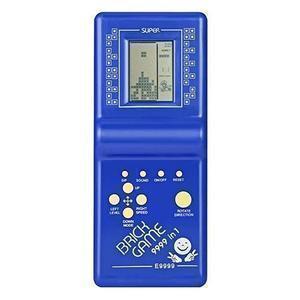
Brick Game
Handheld electronic game featuring various block-stacking challenges, inspired by Tetris.
Year: 1990
The Brick Game, inspired by Tetris, gained worldwide popularity in the 1990s. Featuring multiple block-stacking modes, it was a budget-friendly gaming option before handheld consoles became mainstream. Its simple design and addictive gameplay made it a staple in retro gaming culture.

ISP Bonanza
One of the early internet service providers, helping homes and businesses connect online.
Year: 1990
Established in 1990, ISP Bonanza played a role in bringing early internet connectivity to homes and businesses. During the rise of dial-up connections, it helped users access websites, emails, and online services, marking a key period in digital communication before broadband became widely available.

Dial-Up Screen
Classic dial-up internet connection screen, bringing slow but vital online access in the 90s-2000s.
Years: 1990-late 2000s
Dial-up internet, popular in the 1990s-2000s, relied on phone lines for connectivity, often accompanied by a noisy connection tone. Though painfully slow compared to broadband, it was the first widely accessible way for households to connect online. It laid the foundation for early web browsing, emails, and instant messaging.

Tower Records Makati
Popular music store offering CDs and vinyl, shaping how Filipinos explored music in the 90s-2000s.
Years: 1990-mid 2000s
Tower Records Makati was a hub for music lovers in the 1990s-2000s, offering CDs, vinyl, and cassettes. The store introduced Filipinos to global artists, becoming a go-to spot for discovering new albums. As digital downloads and streaming emerged, physical music stores gradually faded, marking a shift in the industry.
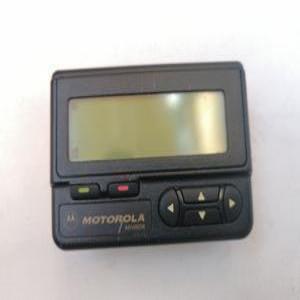
Motorola Black Beeper
Essential for instant messaging before mobile texting, used by professionals and emergency workers.
Year: 1990
The Motorola Black Beeper, popular in the 1990s, was a pager used for instant communication, especially by professionals and emergency responders. It allowed users to receive numeric codes and messages, revolutionizing mobile alerts before SMS became mainstream. Though obsolete today, its legacy remains in emergency comms.
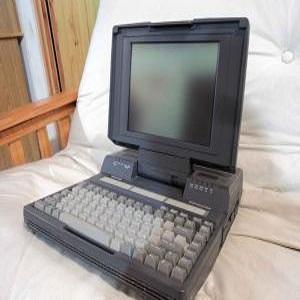
Toshiba T3100SX
Early portable PC with an orange plasma display, built for business and productivity in the 90s.
Year: 1990
The Toshiba T3100SX, released in 1990, featured an orange plasma display and a built-in hard drive, offering a powerful business computing experience. It was known for rugged durability and portability, making it a valuable tool in offices before laptops fully replaced bulky desktop workstations.

Web Buttons
Simple navigation icons used in early websites, shaping internet interaction in the emerging web era.
Year: 1990
Web buttons in the 1990s played a crucial role in navigation, allowing users to interact with websites using clickable icons. Often designed as GIF animations or basic HTML elements, they laid the groundwork for modern UX design, influencing today’s interactive web experiences and responsive UI components.
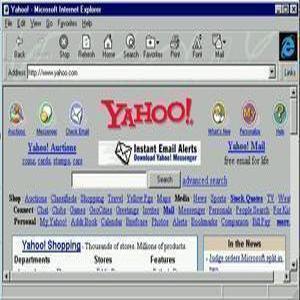
Yahoo Screenshot
Snapshot of Yahoo's classic interface, once the world's leading search engine and email provider.
Year: 1990
Yahoo was a dominant force in the early 1990s, providing search engine services, email, and news. Its simplistic interface, with blue hyperlinks and basic graphics, became synonymous with early web browsing. Though overshadowed by newer platforms, its legacy remains a crucial part of internet history.
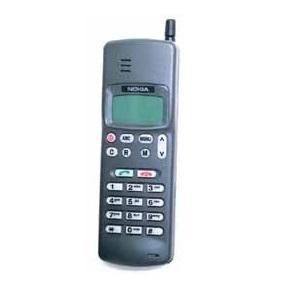
Nokia Cellphone
Durable Nokia mobile phone that became a household staple before smartphones dominated the market.
Years: Late 1990s
The Nokia cellphone was a defining mobile device of the late 1990s, known for indestructible design and long battery life. With physical keypads and simple UI, it was widely used before touchscreen smartphones took over, cementing Nokia’s reputation for reliability in mobile technology.
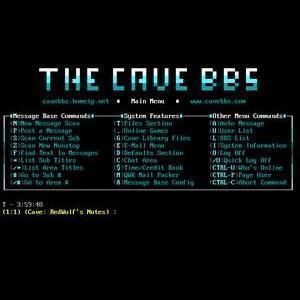
BBS Dial-Up Forums
Bulletin board systems where users connected, shared files, and discussed topics via dial-up modems.
Year: 1990
BBS forums in the 1990s were early online communities accessed via dial-up modems. Users engaged in file sharing, messaging, and discussions, influencing modern forums and social media platforms. Though largely phased out, their legacy remains in digital communication and early internet culture.
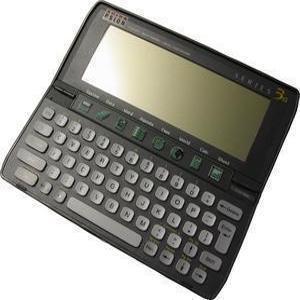
Psion Series 3a
Pioneering PDA with a clamshell design, offering mobile computing and productivity in the early 90s.
Year: 1993
Launched in 1993, the Psion Series 3a featured mobile computing with a clamshell design, keyboard, and built-in apps. It enabled word processing, spreadsheets, and early mobile software, influencing the development of PDAs, paving the way for smartphones and portable productivity tools.
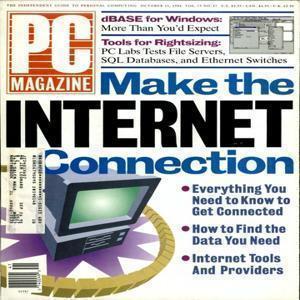
PC Magazine — 1994 Edition
A snapshot of early '90s computing culture, tech forecasts, and system reviews.
Year: 1994
This 1994 PC Magazine issue captures the personal computing boom—with reviews of DOS-based systems, early Windows tips, and bold predictions for a connected future. A relic of geek optimism in glossy pages.
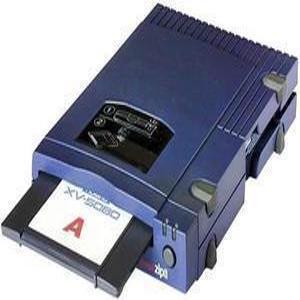
Portable Zip Drive
High-capacity storage device used for transferring files before USB flash drives became common.
Year: 1994
The Portable Zip Drive, introduced in 1994, offered higher-capacity removable storage compared to floppy disks. Used for backups and file transfers, it was favored in offices and graphic design work before USB flash drives replaced it, marking an era of evolving data portability.
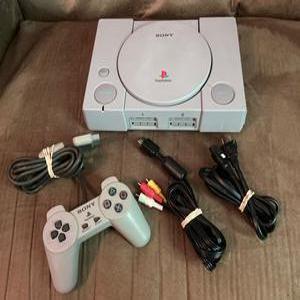
PlayStation (Original)
Sony’s first gaming console with 3D graphics, CD-based games, and iconic titles like Final Fantasy.
Year: 1994
Released in 1994, the PlayStation transformed gaming with CD-based storage and 3D graphics. Featuring titles like Final Fantasy VII, Metal Gear Solid, and Gran Turismo, it cemented Sony’s dominance in the console market, leading to generations of gaming innovation.
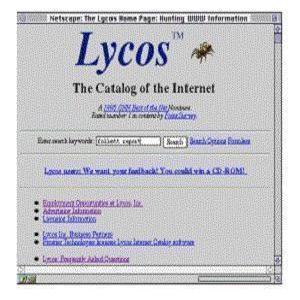
Lycos Search
One of the earliest search engines, helping users navigate the growing web in the mid-1990s.
Year: 1994
Lycos, launched in 1994, was an early search engine that helped users navigate the web. It played a major role in indexing websites before Google’s rise. While its relevance declined, Lycos remains part of internet history as one of the pioneers of online search technology.
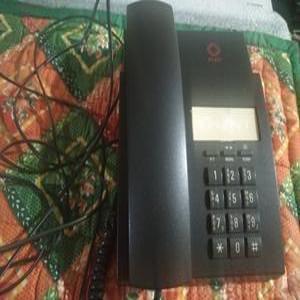
PLDT Landline
A staple in Filipino households for clear voice communication before mobile phones took over.
Years: 1995-2000
PLDT landlines were essential from the 1990s-2000s, providing reliable voice communication before mobile phones became widespread. Used in homes and businesses, they were crucial for long-distance calls and formal conversations, shaping telecommunication in the Philippines.
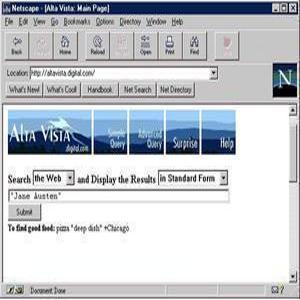
AltaVista Search
Advanced search engine offering fast results before Google dominated the web search industry.
Year: 1995
Introduced in 1995, AltaVista revolutionized web searching with fast results and index-based searches. It was widely used before Google emerged. Despite its decline, AltaVista played a crucial role in shaping modern search engines and early internet navigation.
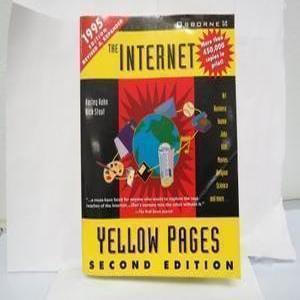
Internet Yellow Pages
A digital directory listing websites, similar to phone books but for online businesses and services.
Year: 1995
The Internet Yellow Pages, introduced in 1995, helped users find websites before search engines became dominant. Modeled after traditional phone directories, it listed businesses and services, offering structured online navigation in the early days of the internet.

WebCrawler
One of the first search engines to index full web pages, shaping modern search technology.
Year: 1995
WebCrawler, launched in 1995, was one of the first search engines to index full web pages, allowing users to find complete site content rather than just titles. It influenced later search algorithms, paving the way for modern search engines like Google and Bing.
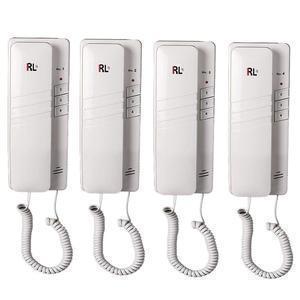
Wired Home Intercom
Household intercom system allowing room-to-room voice communication before wireless phones.
Year: 1995
Popular in the 1990s, wired home intercom systems enabled room-to-room voice communication without needing phones. Installed in homes, businesses, and schools, they provided an early form of internal messaging before wireless intercoms and mobile communication took over.
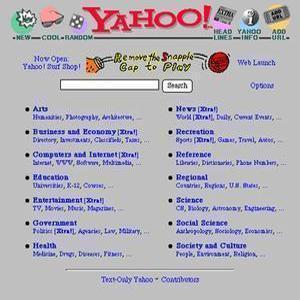
Yahoo
Early internet giant offering web search, email, and news before Google changed the landscape.
Year: 1995
Founded in 1995, Yahoo quickly became a leading web portal, offering search, email, news, and chat rooms. It was one of the most visited websites before Google dominated search. Despite its decline, Yahoo remains influential in shaping internet services and online media.
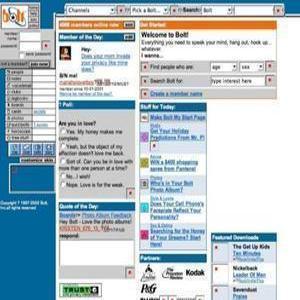
Bolt.com
One of the first social networking sites, connecting users before the rise of Friendster and MySpace.
Years: 1996-2007
Bolt.com, launched in 1996, was one of the first social networking sites, allowing users to interact via forums, profiles, and chat. It preceded platforms like MySpace and Facebook, shaping early internet socialization before shutting down in 2007.

Geocities
Web hosting platform that let users create personal websites, defining the internet’s early era.
Years: 1996-2009
GeoCities, founded in 1996, allowed users to create personal websites, often with animated GIFs and bright backgrounds. It helped shape early web culture before being discontinued in 2009, marking the end of an era in DIY website building.

Dogpile Search
A metasearch engine that combined results from multiple sources, offering broader web searches.
Year: 1996
Dogpile, launched in 1996, was a metasearch engine that pulled results from multiple search engines, providing broader coverage than any single engine. While overshadowed by Google, Dogpile remains a unique search tool for aggregated web queries.
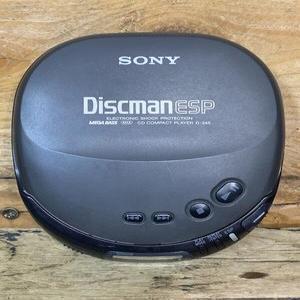
Sony Discman
Portable CD player that let users enjoy skip-free digital music, marking a shift from cassettes.
Year: 1996
The Sony Discman, released in 1996, revolutionized portable music by offering CD-quality sound on the go. Featuring skip protection technology, it marked the transition from cassette players to digital audio. Though later replaced by MP3 players, it remains iconic in portable music history.
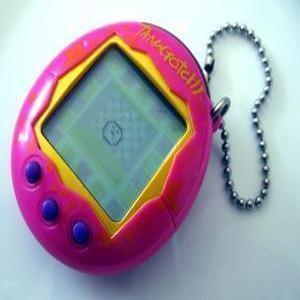
Tamagotchi
Digital pet housed in a tiny egg-shaped device, requiring care and attention to thrive.
Year: 1996
Introduced in 1996, Tamagotchi became a global craze, letting users raise, feed, and care for a virtual pet. Players had to maintain their pet’s health, making it a portable simulation of responsibility. It influenced later digital pet games and mobile apps.
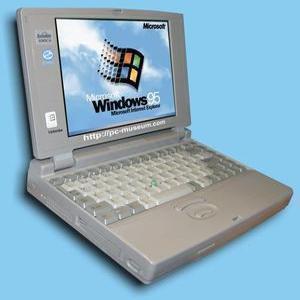
Toshiba Satellite 100CS
Early laptop offering color display, built for portability in workspaces and homes.
Year: 1996
The Toshiba Satellite 100CS, launched in 1996, was one of the first affordable laptops with a color display. Designed for both work and home use, it balanced portability and functionality, setting a standard for future notebook designs in computing.
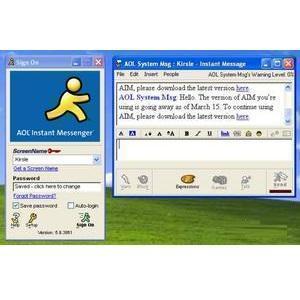
AOL Instant Messenger
Popular messaging platform that connected users with screen names and chat rooms.
Years: 1997-2017
AOL Instant Messenger (AIM), launched in 1997, was a pioneering online chat platform, allowing users to exchange messages with screen names and buddy lists. It shaped digital communication before social media, staying relevant until 2017.

CDR King
Philippine electronics retailer offering affordable tech accessories and blank CDs.
Years: 1997-2020
CDR King, founded in 1997, became a household name in the Philippines, selling affordable tech accessories like blank CDs, USB drives, and gadgets. As digital storage evolved, its relevance declined, leading to its closure in 2020.
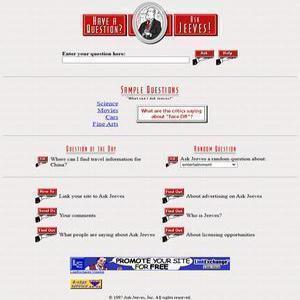
Ask Jeeves
Early search engine with a virtual butler offering answers in a question-based format.
Year: 1997
Ask Jeeves, launched in 1997, stood out as a question-based search engine, featuring a virtual butler answering queries. Though later rebranded, its format influenced AI-powered search and voice assistants.
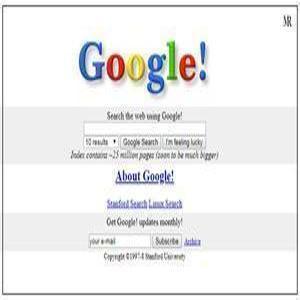
Google Search
The search engine that revolutionized web browsing with its PageRank algorithm.
Year: 1997
Launched in 1997, Google Search transformed online browsing with its PageRank algorithm, ranking websites based on relevance rather than just keywords. Its simplicity and speed made it the dominant search engine, shaping the modern internet experience and leading to the rise of digital advertising.
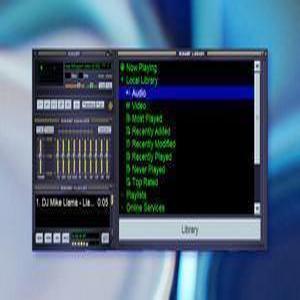
WinAmp
Customizable media player known for playing MP3s and visual plugins during the early digital era.
Year: 1997
WinAmp, introduced in 1997, was a popular MP3 player that allowed users to create custom playlists, skins, and visual plugins. It played a crucial role in digital music’s rise before streaming services took over. Its lightweight design made it a favorite among early internet users.
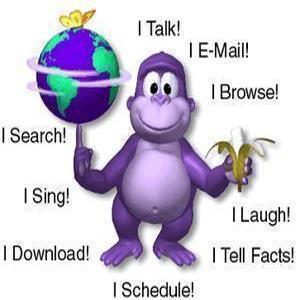
Bonzi Buddy
A talking purple monkey assistant, later infamous for its adware behavior.
Years: 1998-2005
Bonzi Buddy appeared in 1998 as a virtual assistant, offering jokes and internet help. However, it later became known for adware behavior, collecting user data and displaying intrusive ads. By the mid-2000s, it was discontinued due to privacy concerns.
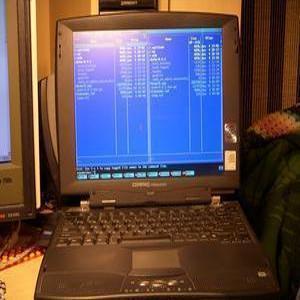
Compaq Presario 1240
A budget-friendly laptop offering basic computing with Windows 98 in a compact design.
Year: 1998
The Compaq Presario 1240, released in 1998, was a compact and affordable laptop that ran Windows 98. It featured a simple design with basic computing power, appealing to students and home users before laptops became more powerful and widespread.
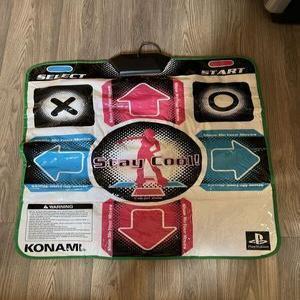
Dance Dance Revolution Mat
Home version of the arcade dance mat, bringing rhythm-based gameplay to living rooms.
Year: 1998
Launched in 1998, the Dance Dance Revolution Mat brought arcade rhythm gaming to homes. Players stepped on pressure-sensitive panels to match the beat, making it a hit for fitness and entertainment. It helped popularize dance-based video games worldwide.
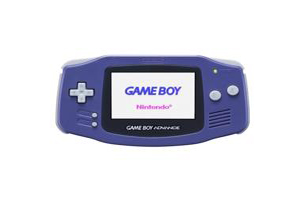
Game Boy (Purple)
Nintendo’s iconic handheld in a bold purple variant, supporting classic cartridge-based games.
Year: 1998
Game Boy (Purple), introduced in 1998, was a stylish refresh of Nintendo’s best-selling handheld. Supporting cartridge-based classics like Pokémon and Tetris, it kept the Game Boy relevant before the Game Boy Advance introduced more advanced graphics.
.jpg)
Game Boy Light (Gold)
A Japan-exclusive handheld featuring a backlit screen for better visibility in low-light conditions.
Year: 1998
Game Boy Light (Gold), released in 1998 exclusively in Japan, improved on previous models with a backlit screen, making it easier to play in the dark. This limited edition was sought after by collectors, bridging the gap between the original Game Boy and the later Game Boy Color.
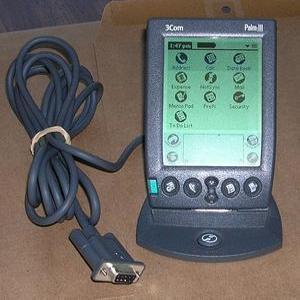
Palm III
A PDA with a monochrome touchscreen, popular for digital organization before smartphones.
Year: 1998
Introduced in 1998, the Palm III was a popular PDA (personal digital assistant), featuring a monochrome touchscreen and expandable memory. It helped users manage schedules and notes before smartphones took over the market, shaping early mobile productivity tools.
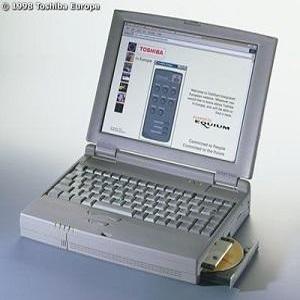
Toshiba Equium Laptop
A mid-range laptop with a reliable build, designed for both business and home computing.
Year: 1998
The Toshiba Equium Laptop, released in 1998, was a versatile mid-range computer designed for both home and business use. With a solid build and balanced performance, it offered reliable computing before laptops became lighter and more advanced.
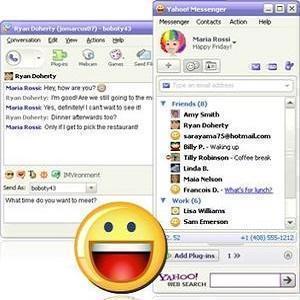
Yahoo Messenger
Instant messaging platform that connected users with chat rooms, emojis, and voice calls.
Year: 1998
Launched in 1998, Yahoo Messenger was a leading instant messaging platform, offering chat rooms, emojis, and voice calls. It was widely used before social media dominated online communication, playing a major role in early internet interactions.

Xanga
A blogging and social network site where users shared thoughts, photos, and online journals.
Years: 1999-2013
Founded in 1999, Xanga was an early blogging and social platform where users posted journals, photos, and shared thoughts. It was popular before Facebook and Twitter, but declined by 2013 as newer networks gained dominance.
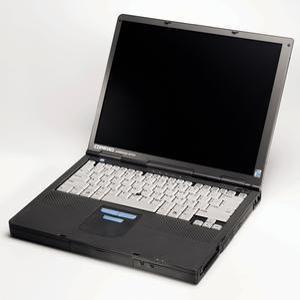
Compaq Armada M700
A durable laptop with a sleek design, widely used in business and professional settings.
Year: 1999
The Compaq Armada M700, released in 1999, was a business-class laptop known for its sleek design, durability, and solid performance. It was widely used by professionals before Compaq merged with HP, influencing laptop designs in the early 2000s.
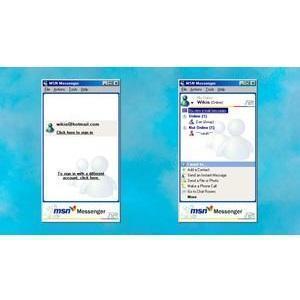
MSN Messenger
Microsoft’s chat service allowing instant messaging, custom statuses, and animated emojis.
Year: 1999
MSN Messenger, launched in 1999, was a popular instant messaging platform offering custom statuses, animated emojis, and file sharing. It allowed users to chat with friends in real-time before social media took over digital communication. Microsoft retired the service in 2013.

Napster
Pioneering peer-to-peer music sharing service that disrupted the industry before legal battles shut it down.
Year: 1999
Napster, introduced in 1999, revolutionized peer-to-peer music sharing, making songs widely accessible online. However, legal battles over copyright infringement led to its shutdown by 2001. Despite its controversy, Napster shaped modern streaming services like Spotify and Apple Music.
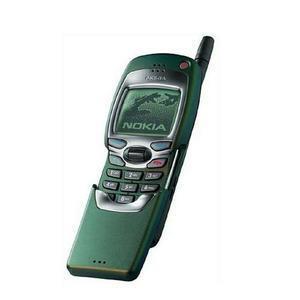
Nokia 7110
First mobile phone with a WAP browser, offering early internet access and a sleek spring-loaded cover.
Year: 1999
The Nokia 7110, launched in 1999, was the first mobile phone with a WAP browser, allowing early internet access on mobile devices. Its spring-loaded cover gave it a sleek look, inspiring future Nokia designs. It marked the beginning of web-enabled mobile experiences.
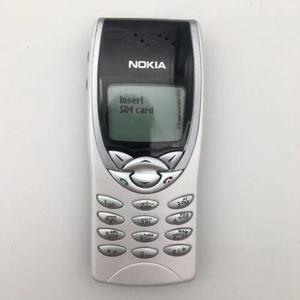
Nokia 8210
Compact and lightweight mobile phone, known for customizable covers and long-lasting battery life.
Year: 1999
Nokia 8210, released in 1999, was one of Nokia’s most compact mobile phones, featuring interchangeable covers and an extended battery life. Its lightweight design made it highly popular before the rise of color screens and smartphones in the early 2000s.
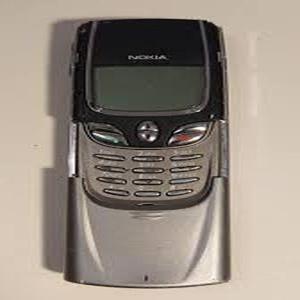
Nokia 8850
Premium Nokia phone with a stylish metallic finish, targeted at business professionals in the late 90s.
Year: 1999
The Nokia 8850, launched in 1999, was a premium mobile phone designed for business professionals, featuring a sleek metallic finish and compact body. It was a status symbol before smartphones reshaped mobile communications.

RSS Feeds
Web syndication format allowing users to subscribe to content updates from blogs, news, and websites.
Year: 1999
RSS Feeds, introduced in 1999, allowed users to subscribe to website updates from blogs, news sites, and podcasts. It enabled automated content retrieval, making it easier to follow web updates before social media changed digital syndication.
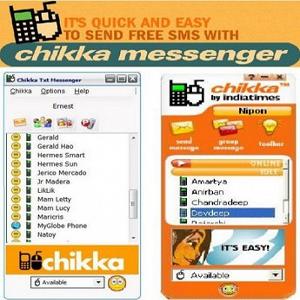
Chikka Text Messenger
Iconic Filipino-made platform that merged SMS and online messaging.
Years: 2000–2018
Chikka, launched in 2000, was a revolutionary messaging app that let users send free texts from web to mobile. Popular among students and OFWs, it became a staple of Filipino digital life until its shutdown in 2018.

SBC Yahoo!
A partnership between SBC and Yahoo! providing early broadband internet and web services.
Years: 2000-2005
SBC Yahoo!, launched in 2000, was a partnership offering broadband internet bundled with email and search services. It helped transition users from dial-up to faster connections before Yahoo! faded as a major internet provider in 2005.
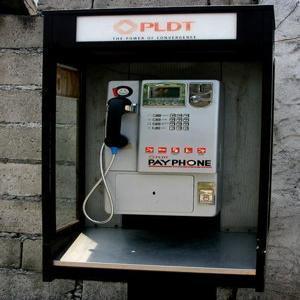
PLDT Payphone
Coin-operated public phone kiosks offering affordable local and long-distance calls across the Philippines.
Years: 2000-2010
PLDT Payphones were widespread from 2000-2010, offering affordable public calling before mobile phones became dominant. Found in streets, malls, and transport hubs, they were essential for communication until smartphones replaced coin-operated kiosks.
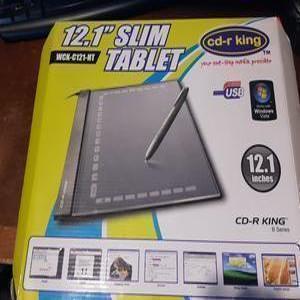
CDR King Drawing Pad
Budget-friendly graphics tablet for digital artists, offering an alternative to premium brands.
Year: 2000
The CDR King Drawing Pad, launched in 2000, provided affordable digital drawing tools for artists seeking alternatives to premium tablets. It helped amateur creatives explore digital art before more advanced touchscreen devices became standard.
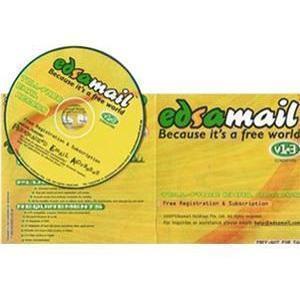
EDSA Mail
An early Philippine email service, used during political movements and digital correspondence.
Year: 2000
EDSA Mail, launched in 2000, was an early Philippine email service playing a role in digital communication during political movements. It provided users a way to share messages and updates before global platforms dominated email usage.

Green Trimline Phone
A stylish landline phone with a compact design, popular in homes and offices in the early 2000s.
Year: 2000
The Green Trimline Phone, introduced in 2000, was a sleek landline design used in homes and offices before cordless phones became widespread. It provided clear voice quality while maintaining a compact and stylish aesthetic.
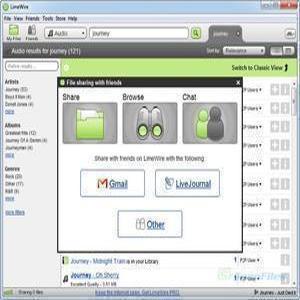
LimeWire
Popular peer-to-peer file-sharing software, known for music downloads and legal controversies.
Year: 2000
LimeWire, launched in 2000, was a peer-to-peer file-sharing program widely used for music downloads. While it enabled easy file sharing, it faced legal disputes over copyright infringement, leading to its shutdown in 2010. Despite this, it influenced modern streaming platforms.
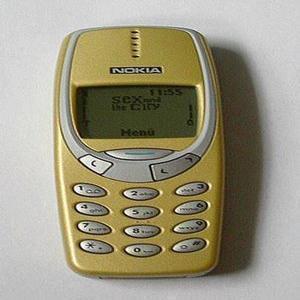
Nokia 3310
Legendary mobile phone famous for durability, long battery life, and the iconic Snake game.
Year: 2000
The Nokia 3310, released in 2000, became famous for its rugged durability, long battery life, and the addictive Snake game. It was a household favorite before smartphones took over, earning a reputation as one of the most reliable mobile phones ever made.
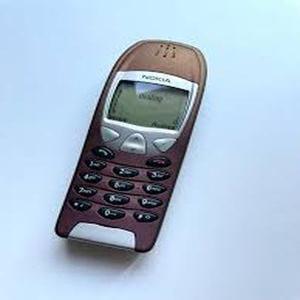
Nokia 6210
A sleek business-class mobile with extended battery life, popular among professionals.
Year: 2000
The Nokia 6210, launched in 2000, was a business-class mobile phone known for its sleek design and extended battery life. It became popular among professionals looking for reliability and efficiency before the smartphone era began.
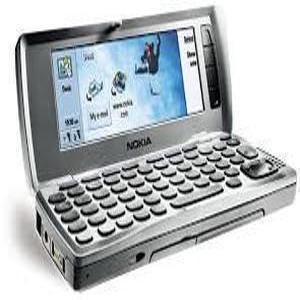
Nokia 9210
A pioneering communicator phone featuring a full keyboard and early internet access.
Year: 2000
The Nokia 9210, introduced in 2000, was a communicator phone featuring a full keyboard and early internet access. It provided email and basic web browsing, making it a precursor to later smartphones with advanced connectivity and productivity tools.
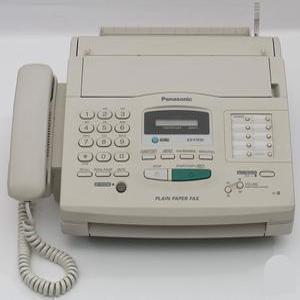
Panasonic Fax Machine
Reliable plain-paper fax machine widely used for office communications before email dominance.
Year: 2000
The Panasonic Fax Machine, widely used in 2000, helped businesses and offices send printed documents over phone lines before email became the standard. Its plain-paper design improved clarity and reliability compared to older thermal paper fax machines.
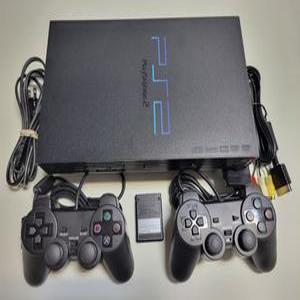
Sony PlayStation 2
The best-selling gaming console of all time, featuring DVD playback and a vast game library.
Year: 2000
The PlayStation 2, launched in 2000, became the best-selling gaming console of all time, offering DVD playback, backward compatibility, and an extensive game library. It defined an era of gaming and remained a favorite for years before newer consoles emerged.
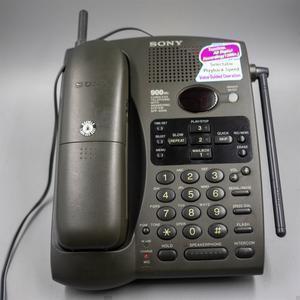
Wireless Landline
A cord-free home phone offering mobility while maintaining traditional landline functionality.
Year: 2000
The Wireless Landline, introduced in 2000, combined landline reliability with the convenience of mobility, allowing users to move freely while talking. It was a key transition toward fully cordless home communication before mobile phones became the norm.
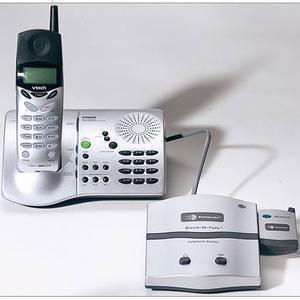
Wireless Landline Docked
A cordless phone with a docking station, blending convenience with stable home communication.
Year: 2000
The Wireless Landline Docked, launched in 2000, provided a cordless experience with a stable base station, ensuring strong connectivity while charging. It bridged traditional telephony with cordless innovation before smartphones took over home communication.
.jpg)
iPod (1st Gen)
Apple’s groundbreaking music player featuring a click wheel and 5GB storage for 1,000 songs.
Year: 2001
The iPod (1st Gen), released in 2001, introduced portable digital music with its iconic click wheel and 5GB storage. It revolutionized how users listened to songs on the go, paving the way for future iPods and smartphone music apps.
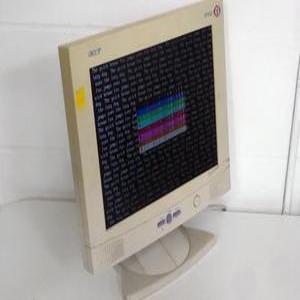
First Flat-Screen PC Monitor
Transitioned from bulky CRTs to slim LCDs, revolutionizing desktop computing design.
Year: 2002
The First Flat-Screen PC Monitor, introduced in 2002, marked the shift from bulky CRT displays to sleek LCD screens, improving desktop efficiency and space-saving designs. This transition influenced modern monitor development and slim computing aesthetics.
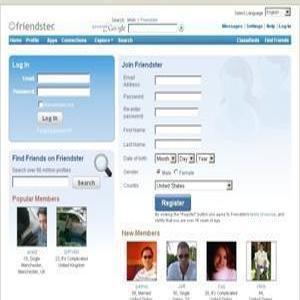
Friendster Website
The first major social networking site, paving the way for Facebook and modern social media.
Years: 2002-2015
Friendster, launched in 2002, was one of the earliest social networking sites, connecting users via profiles and friend lists. It inspired platforms like Facebook before shutting down in 2015, marking a key moment in online interaction history.
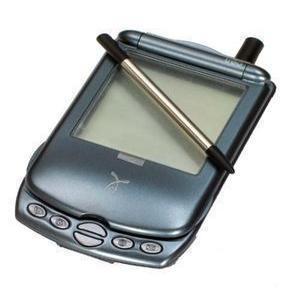
Handspring Treo 180
Early smartphone combining a touchscreen, keyboard, and Palm OS functionality.
Year: 2002
The Handspring Treo 180, released in 2002, was a pioneering smartphone with a keyboard and touchscreen, running Palm OS. It introduced mobile productivity tools, shaping the future of smartphones before touch-based interfaces became standard.
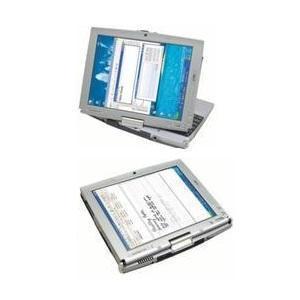
Microsoft Tablet PC
A touchscreen laptop hybrid, an early concept for mobile computing before modern tablets.
Year: 2002
The Microsoft Tablet PC, launched in 2002, introduced touchscreen computing with stylus input, pioneering early mobile productivity. Although bulky by today’s standards, it influenced modern tablets like the Surface lineup, proving the potential of portable touchscreen devices.
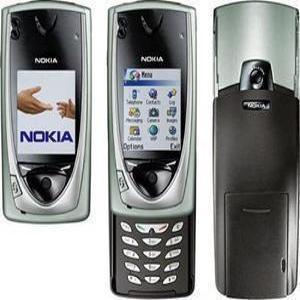
Nokia 7650
First Nokia phone with a built-in camera, revolutionizing mobile photography.
Year: 2002
The Nokia 7650, released in 2002, was Nokia’s first phone with a built-in camera, revolutionizing mobile photography. Its sliding design and Symbian OS paved the way for camera phones to become a staple in everyday life, leading to modern smartphone imaging technology.
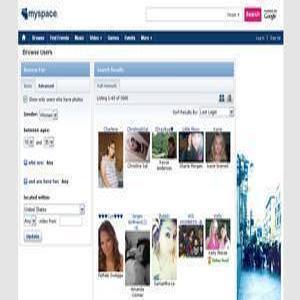
MySpace Website
The dominant social network before Facebook, popular for music, blogging, and personal profiles.
Years: 2003-2011
MySpace, launched in 2003, was the leading social networking site before Facebook took over. It allowed users to customize profiles, share music, and blog, shaping early internet culture. By 2011, its popularity declined, but it remains an important piece of social media history.
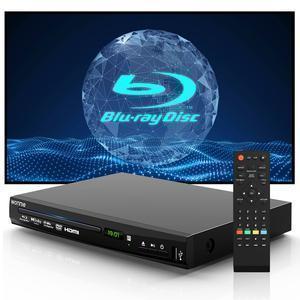
Blu-ray Player
High-definition disc format providing superior video quality over DVDs.
Year: 2003
The Blu-ray Player, introduced in 2003, delivered high-definition video, surpassing DVDs with better image clarity and storage capacity. It became the standard for physical media until streaming services gradually replaced disc-based entertainment.
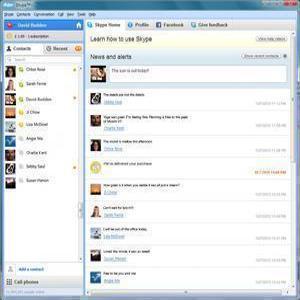
Skype
Revolutionized video calling and internet voice communication worldwide.
Year: 2003
Skype, launched in 2003, transformed global communication with free voice and video calling over the internet. It pioneered remote collaboration, influencing later services like Zoom and Microsoft Teams. In 2011, Microsoft acquired Skype, integrating it into enterprise solutions.
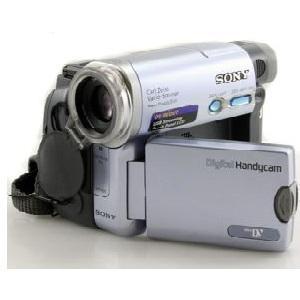
Sony Digital Handycam
Compact camcorder with digital video recording, widely used for home videos and journalism.
Year: 2003
The Sony Digital Handycam, released in 2003, offered compact digital video recording, replacing analog camcorders. It became a favorite for home videos, travel footage, and journalism, setting the foundation for today’s digital content creation tools.

The Pirate Bay
A controversial torrent site that challenged media distribution and copyright laws.
Year: 2003
Launched in 2003, The Pirate Bay became a major torrent site, offering free access to software, movies, and music. It sparked legal battles over copyright laws, raising debates on digital freedom and media distribution before facing multiple shutdown attempts worldwide.
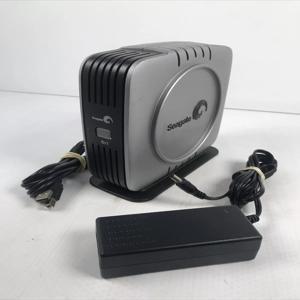
Seagate 400GB External Drive
Early mass storage solution offering portability and impressive capacity for its time.
Year: 2004
This early Seagate external drive was a powerhouse of the 2000s. With 400GB of space, it helped users offload MP3 collections, game backups, and digital photos in an era of rapidly growing file sizes.
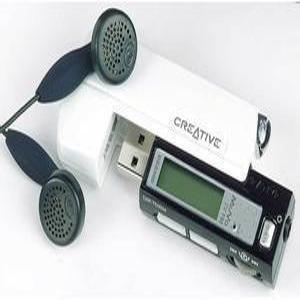
Creative MuVo TX FM
Compact MP3 player with FM radio, offering easy file transfers via USB without extra software.
Year: 2004
The Creative MuVo TX FM, released in 2004, was a compact MP3 player with FM radio support and drag-and-drop USB transfers. Its lightweight design made it a great alternative to bulky players before smartphones absorbed portable music playback.

Creative Zen MP3 Player
Popular MP3 player with expandable storage and a sleek design for digital music lovers.
Year: 2004
The Creative Zen, launched in 2004, was a competitor to the iPod, featuring expandable storage and a sleek interface. It gained popularity among digital music enthusiasts before streaming services made standalone MP3 players less common.
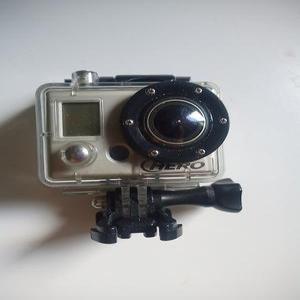
GoPro 1st Gen
The first GoPro action camera, revolutionizing hands-free recording for extreme sports.
Year: 2004
The GoPro 1st Gen, launched in 2004, introduced hands-free recording for action sports, allowing athletes to capture immersive footage. Its rugged design and compact size set the standard for modern action cameras, influencing extreme sports videography.
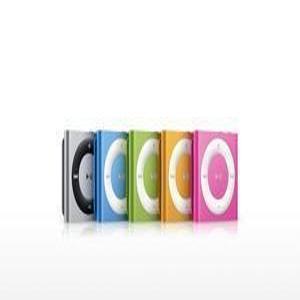
iPod 4th Gen
Apple’s sleek MP3 player featuring a click wheel, improving music navigation and user experience.
Year: 2004
The iPod 4th Gen, released in 2004, refined portable music playback with its click wheel for easy navigation. It improved usability, solidifying Apple’s dominance in digital music before streaming services reshaped the industry.
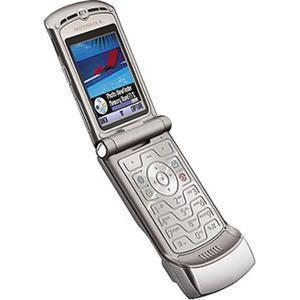
Motorola Razr V3
Iconic flip phone with a sleek aluminum body, defining mobile style in the early 2000s.
Year: 2004
The Motorola Razr V3, launched in 2004, became a fashion-forward mobile device, featuring a sleek aluminum body and cutting-edge flip design. It was one of the most stylish and beloved phones before smartphones transformed mobile communication.
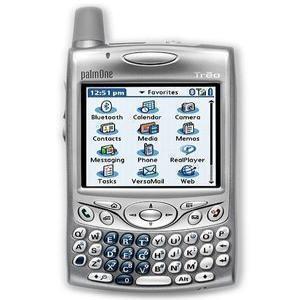
Palm Treo 650
A smartphone combining touchscreen and keyboard, offering email and mobile productivity.
Year: 2004
The Palm Treo 650, launched in 2004, was a business-oriented smartphone combining a touchscreen and full keyboard, running Palm OS. It enabled email, web browsing, and productivity tools, paving the way for modern smartphones before BlackBerry and iPhone dominated the market.

Flixster
Social movie site for reviews, trailers, and ratings, later acquired by Warner Bros.
Years: 2005-2019
Flixster, founded in 2005, became a social movie platform for reviews, ratings, and trailers, connecting users through film discussions. Acquired by Warner Bros., it later merged into Rotten Tomatoes, marking an era of digital movie engagement before its shutdown in 2019.
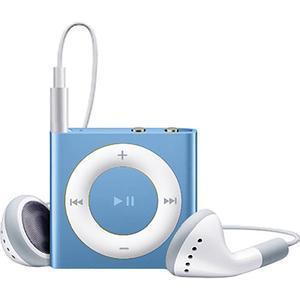
iPod Shuffle (Blue)
Compact MP3 player with no screen, letting users shuffle through their favorite tracks easily.
Year: 2005
The iPod Shuffle, released in 2005, was a screen-free MP3 player, emphasizing randomized playback. Its small size and lightweight design made it perfect for workouts and travel, solidifying Apple’s dominance in portable music before streaming services took over.
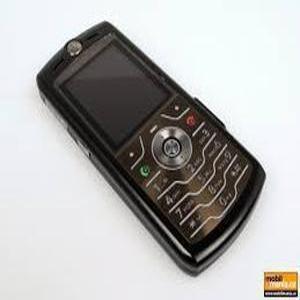
Motorola SLVR L7
Slim candy-bar phone featuring iTunes support, blending music and mobile connectivity.
Year: 2005
The Motorola SLVR L7, released in 2005, was a sleek candy-bar phone featuring iTunes integration, allowing music playback on a mobile device. Its thin design offered a stylish alternative to bulky phones before smartphones fully merged music and communication.
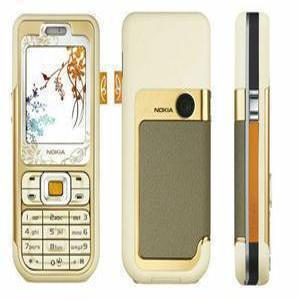
Nokia 7360
Fashion-inspired mobile phone with stylish finishes, targeting trend-conscious users.
Year: 2005
The Nokia 7360, launched in 2005, was part of the Nokia L'Amour Collection, blending fashion and mobile technology. Its textured finishes and stylish design targeted trend-conscious users before smartphones standardized sleek but uniform aesthetics.
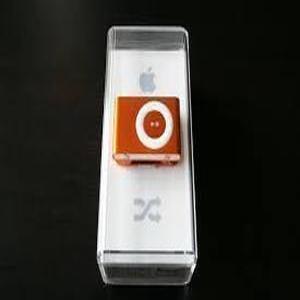
iPod Shuffle — 2nd Gen
A minimalist music player by Apple known for its clip-on design and portability.
Year: 2006
Apple’s second-gen iPod Shuffle removed screens and buttons in favor of a sleek, clip-based form factor. Designed for workouts and ultra-portable listening, it redefined simplicity in music-on-the-go.
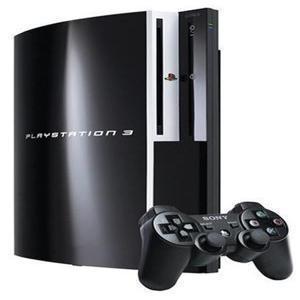
Sony PlayStation 3
Next-gen console with Blu-ray support, HD gaming, and the iconic Cell processor.
Year: 2006
The PlayStation 3 raised the bar with HD graphics, online gameplay via PSN, and Blu-ray media. Its architecture was powerful (and famously complex), anchoring titles like Uncharted and Metal Gear Solid 4.
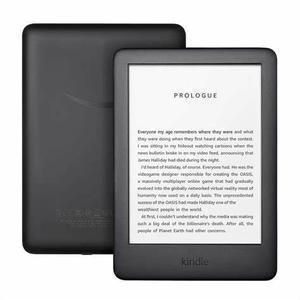
Amazon Kindle — First Gen
Amazon's debut e-reader with E Ink display, forever changing how we read books.
Year: 2007
Launched in 2007, the first-gen Kindle brought digital libraries to life with e-ink clarity and Whispernet downloads. It sparked the e-reader revolution, giving physical books a digital rival.
.jpg)
iPhone 1st Gen
Apple’s revolutionary touchscreen smartphone that reshaped mobile technology forever.
Year: 2007
Launched in 2007, the iPhone 1st Gen redefined mobile devices with its multi-touch screen, web browsing, and app-based interface. It eliminated physical keyboards, paving the way for modern smartphones and shifting global tech trends toward touchscreen interaction.

MyPhone
First locally branded smartphone in the Philippines, offering affordable mobile features.
Year: 2007
MyPhone, founded in 2007, became the first Filipino smartphone brand, offering budget-friendly devices tailored to local users. It supported dual SIM features and customized apps, making technology more accessible across the Philippines.
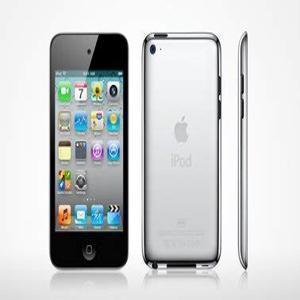
iPod Touch (2nd Gen)
A touchscreen media player offering internet access and App Store support.
Year: 2008
The iPod Touch (2nd Gen), released in 2008, brought iPhone-like functionality without cellular service. Supporting Wi-Fi browsing, apps, and music, it bridged entertainment and productivity, influencing future Apple devices.

Sports Bluetooth Earphones
Wireless earphones designed for active users, featuring sweat resistance and secure fit.
Year: 2008
Introduced in 2008, Sports Bluetooth Earphones improved wireless audio for fitness enthusiasts with sweat resistance and secure fit. They eliminated tangled cords, leading to today’s true wireless earbuds designed for active lifestyles.

Cherry Mobile
Philippine smartphone brand known for budget-friendly, feature-packed mobile devices.
Year: 2009
Cherry Mobile, founded in 2009, became a leading Philippine smartphone brand, offering affordable yet feature-rich devices. It brought dual-SIM phones and locally customized software to the market, making mobile technology accessible across the country.
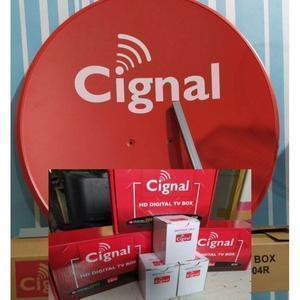
Cignal TV Satellite
Philippines’ leading satellite TV service, offering high-quality digital broadcasts.
Year: 2009
Cignal TV, launched in 2009, became the largest satellite TV provider in the Philippines, delivering high-definition broadcasts and exclusive sports and entertainment channels. It helped transition homes from analog signals to modern digital streaming.
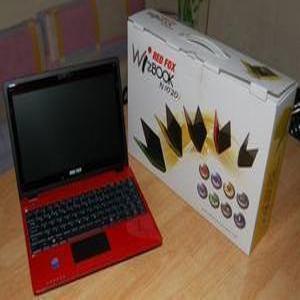
Redfox Wizbook N1020i
A locally made netbook designed for portable computing and educational use.
Year: 2009
The Redfox Wizbook N1020i, introduced in 2009, was a compact netbook aimed at students and professionals, featuring lightweight computing and energy-efficient hardware. It was a key device in promoting digital learning before tablets gained prominence.
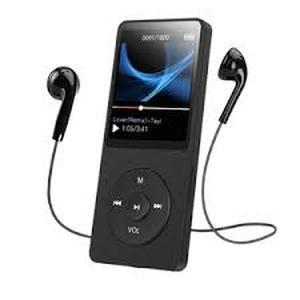
China iPod Clone
An imitation of Apple’s iPod, offering music playback at a lower cost with similar aesthetics.
Year: 2010
China iPod Clones, appearing around 2010, mimicked Apple’s original iPod design, offering cheaper music playback. Though lacking Apple’s software quality, they gave consumers a low-cost alternative to portable digital music before MP3 players evolved.
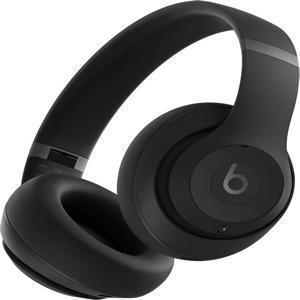
Beats Bluetooth Earphones
Premium wireless earbuds featuring noise cancellation and deep bass sound.
Year: 2010
The Beats Bluetooth Earphones, launched in 2010, delivered premium sound quality with deep bass and active noise cancellation. Designed for music lovers and athletes, they set the trend for stylish wireless audio before true wireless earbuds dominated the market.
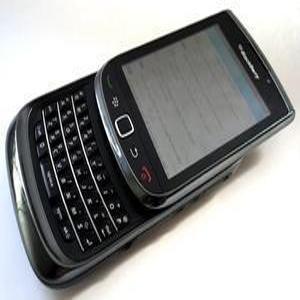
BlackBerry 9800
A business-oriented smartphone with a sliding QWERTY keyboard and touchscreen.
Year: 2010
The BlackBerry 9800, released in 2010, combined a sliding QWERTY keyboard with a touchscreen, blending traditional texting with modern gesture controls. Designed for business users, it supported BlackBerry’s secure messaging before touchscreen-only phones took over.
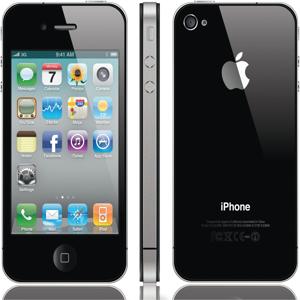
iPhone 4
The first iPhone with a Retina display and a revolutionary front-facing camera.
Year: 2010
Unveiled in 2010, the iPhone 4 introduced the sleek glass-and-steel body, the high-resolution Retina display, and FaceTime video calling. It set a new design standard—though not without controversy, as its antenna sparked debates on signal performance.

Earhook Bluetooth Earphones
Wireless earbuds with secure-fit hooks, ideal for workouts and long listening sessions.
Year: 2010
Launched in 2010, Earhook Bluetooth Earphones offered secure-fit hooks to enhance stability during workouts. Their wireless design and sweat resistance made them a favorite among athletes before truly wireless earbuds became mainstream.
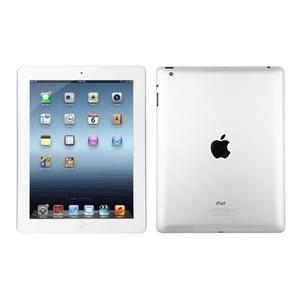
iPad 2nd Gen
Thinner, lighter Apple tablet with front and rear cameras, expanding tablet functionality.
Year: 2011
The iPad 2nd Gen, launched in 2011, refined Apple’s tablet experience with a thinner design, improved performance, and front and rear cameras for video calling and photography. It marked a turning point in tablet adoption, influencing modern mobile productivity.
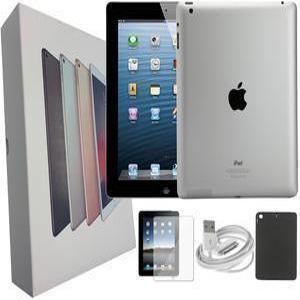
iPad 4th Gen
Apple’s tablet with Retina display, faster processor, and lightning connector upgrade.
Year: 2012
The iPad 4th Gen, released in 2012, introduced a Retina display, providing sharp visuals for reading and media. With a faster processor and Lightning connector, it enhanced usability, pushing tablets further into everyday personal and professional use.
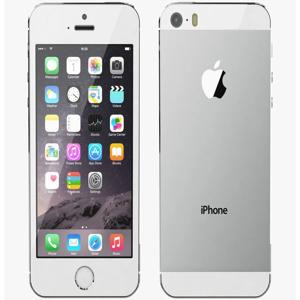
iPhone 5s
Introduced Touch ID fingerprint sensor, offering improved security and performance.
Year: 2013
The iPhone 5s, launched in 2013, was the first smartphone to feature Touch ID fingerprint security, setting a new standard for biometric authentication. Its 64-bit processor boosted performance, influencing smartphone security and efficiency across future generations.
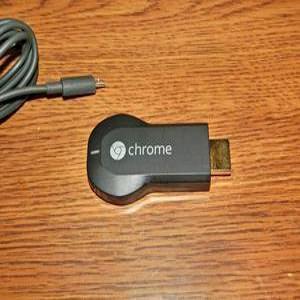
Google Chromecast
A compact HDMI dongle that made TV streaming plug-and-play for the masses.
Year: 2013
Chromecast revolutionized living rooms by letting users stream YouTube, Netflix, and more from phones to TVs. Its affordable, no-remote simplicity helped spark the cord-cutting movement worldwide.
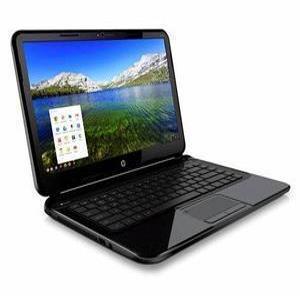
HP Pavilion 14 Chromebook
One of the first full-sized Chrome OS laptops to challenge traditional PCs.
Year: 2013
With cloud-first computing and a spacious 14-inch display, this Chromebook blended affordability with utility. It marked HP’s early bet on browser-based workflows in classrooms and homes.
Cherry Mobile Alpha Luxe
Philippine smartphone with Windows OS, offering affordable yet capable mobile experience.
Year: 2014
The Cherry Mobile Alpha Luxe, released in 2014, was one of the few locally available smartphones running Windows OS, offering an affordable alternative to mainstream Android and iOS devices. It featured dual cameras and smooth performance, making it a standout in budget mobile innovation.
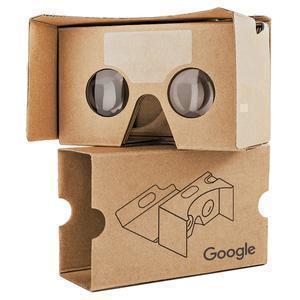
Google Cardboard 2
Low-cost VR headset transforming smartphones into virtual reality viewers.
Year: 2014
Google Cardboard 2, launched in 2014, made virtual reality accessible with its low-cost design, allowing users to experience immersive VR content using smartphones. It inspired affordable VR development before premium headsets dominated the market.
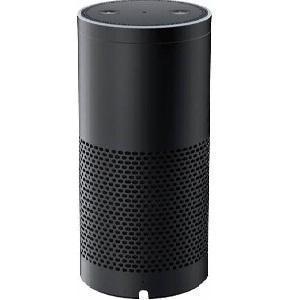
Amazon Echo (1st Gen)
The cylindrical smart speaker that introduced Alexa to the world.
Year: 2014
Launching the Alexa era, this original Echo let users control music, timers, and home devices with voice alone. It redefined convenience and seeded a new wave of smart home innovation.
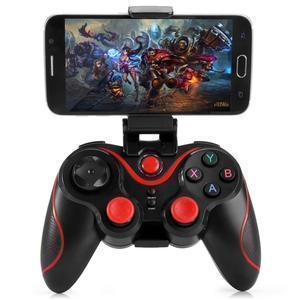
X3 Bluetooth Game Controller
Wireless controller for mobile gaming, offering precision control and ergonomic design.
Years: 2015-2017
The X3 Bluetooth Game Controller, available from 2015-2017, enhanced mobile gaming with precision controls and an ergonomic grip. It supported smartphones, tablets, and PCs, improving gameplay experiences before touch-based mobile games dominated.
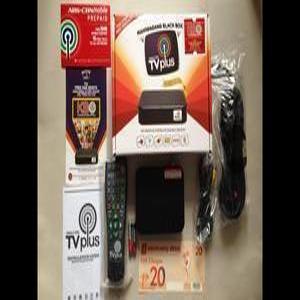
ABS-CBN TV Plus
Philippine digital TV box providing clearer reception and additional free-to-air channels.
Year: 2015
The ABS-CBN TV Plus, released in 2015, improved digital TV reception with clearer signals and exclusive free channels. It helped Philippine households transition from analog broadcasting to digital viewing before streaming services took over.
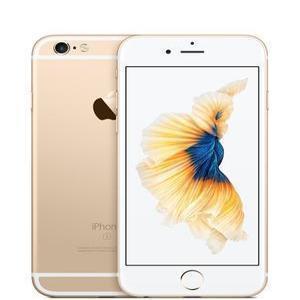
iPhone 6s Gold
Introduced 3D Touch, stronger aluminum body, and improved camera capabilities.
Year: 2015
The iPhone 6s, launched in 2015, featured 3D Touch for pressure-sensitive gestures, a stronger aluminum body, and an upgraded 12MP camera. It reinforced Apple’s commitment to refining smartphone usability and durability.
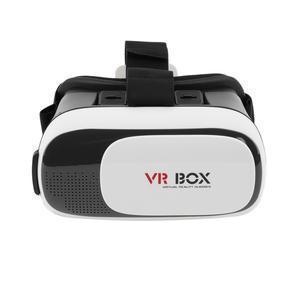
VR BOX 3D Glasses
Smartphone-based virtual reality headset for immersive entertainment experiences.
Year: 2015
VR BOX 3D Glasses, launched in 2015, provided a low-cost virtual reality experience, allowing users to enjoy immersive 3D content with a smartphone. It paved the way for mobile VR gaming before standalone VR headsets became mainstream.
.jpg)
Google Home (1st Gen)
Google’s first smart speaker, featuring voice commands, AI assistance, and home automation.
Year: 2016
The Google Home (1st Gen), launched in 2016, introduced voice-controlled smart assistance, enabling hands-free interaction with music, search queries, and home automation. It helped establish Google’s footprint in AI-powered smart home technology.
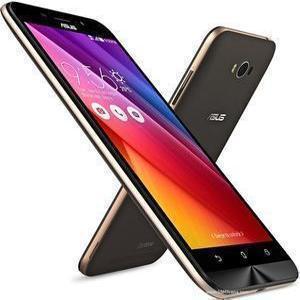
ASUS Zenfone Max
Smartphone with a high-capacity battery, designed for extended mobile use without frequent charging.
Year: 2016
The ASUS Zenfone Max, released in 2016, featured a large battery designed for extended usage, reducing the need for frequent charging. Its efficient power management and mid-range specs made it ideal for users who prioritized battery life over flagship performance.
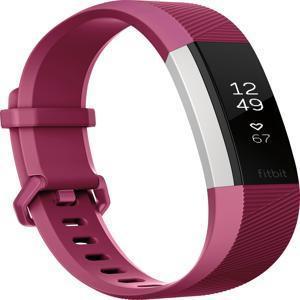
Fitbit Alta HR
A slim fitness band with heart rate tracking and stylish customization.
Year: 2017
The Alta HR was Fitbit’s answer to elegant fitness. With PurePulse heart rate sensing and sleek interchangeable bands, it merged health insights with everyday wearability for step counters and sleep trackers alike.
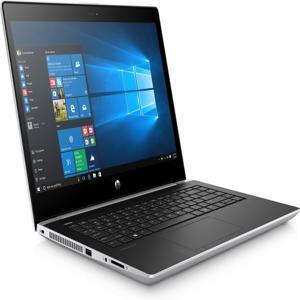
HP ProBook 440 G5
A professional-grade laptop blending durability, security, and day-long stamina.
Year: 2017
Targeted at business users, this ProBook featured 8th-gen Intel chips, fingerprint login, and a rugged chassis. It balanced workplace reliability with modern performance in a compact 14-inch frame.
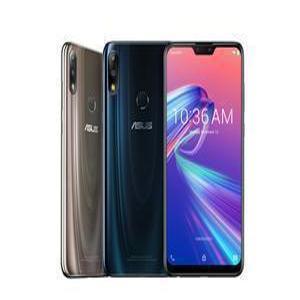
ASUS Zenfone Max Pro
Enhanced version of Zenfone Max, offering improved performance and stock Android experience.
Year: 2018
The ASUS Zenfone Max Pro, launched in 2018, improved on the Zenfone Max by delivering better hardware, stock Android, and gaming-focused performance while retaining a high-capacity battery. It became a competitive mid-range option for users seeking endurance and responsiveness.
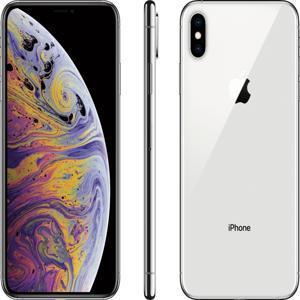
iPhone XS Max
Apple’s largest iPhone at the time, with a 6.5" OLED display and Face ID security.
Year: 2018
The XS Max combined the A12 Bionic chip, dual cameras, and Super Retina display into a massive glass-and-steel flagship. It marked the normalization of premium, oversized smartphones built for media and multitasking.
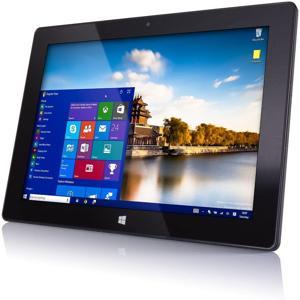
Fusion5 Windows 10 Tablet
An affordable, ultra-slim Windows 10 tablet balancing portability and productivity.
Year: 2018
This Fusion5 device brought desktop computing to backpack size. With full Windows 10, USB ports, and basic performance, it catered to students and light productivity users seeking budget flexibility.
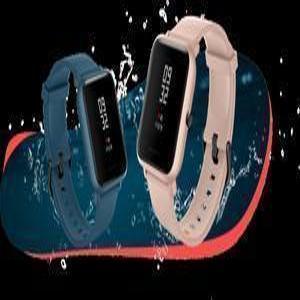
China Smartwatch
Affordable smartwatch with fitness tracking, notifications, and Bluetooth connectivity.
Year: 2020
The China Smartwatch, introduced in 2020, provided an affordable alternative to premium wearables, featuring fitness tracking, Bluetooth notifications, and custom watch faces. It catered to budget-conscious users looking for essential smartwatch features without high costs.
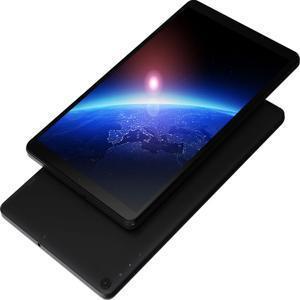
Alldocube iPlay 20
A budget-friendly Android tablet with a 10.1" display, LTE support, and dual speakers.
Year: 2020
Designed for streaming, browsing, and reading, the iPlay 20 found an audience among casual Android users and students. With a minimalist UI and smooth basics, it proved a practical digital companion during the pandemic’s remote surge.
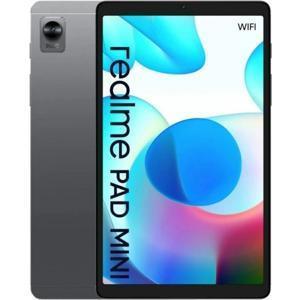
realme Pad Mini
A compact Android tablet combining stylish design with lightweight performance.
Year: 2022
The realme Pad Mini delivered a sleek metal body, decent battery life, and stereo sound—all in an 8.7-inch frame. Perfect for everyday tasks, it helped redefine budget tablets with a modern aesthetic and accessible power.
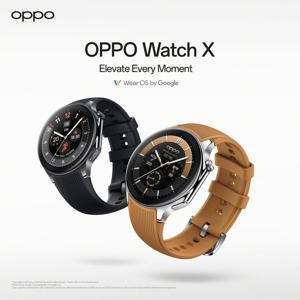
OPPO Watch X
A flagship smartwatch blending Wear OS with premium build and long battery life.
Year: 2024
Launched with a sapphire glass face, dual-GPS tracking, and a Snapdragon W5 chip, the Watch X redefined smart wearables with both luxury and performance. It echoed the OnePlus Watch 2 while showcasing OPPO’s hardware finesse.